
USAID closure devastating global health programs, data shows
The Trump administration's closure of the US Agency for International Development has disrupted HIV treatment, maternal health, and famine relief programs worldwide, with $1.35 billion in global health funding redirected to cover shutdown costs.
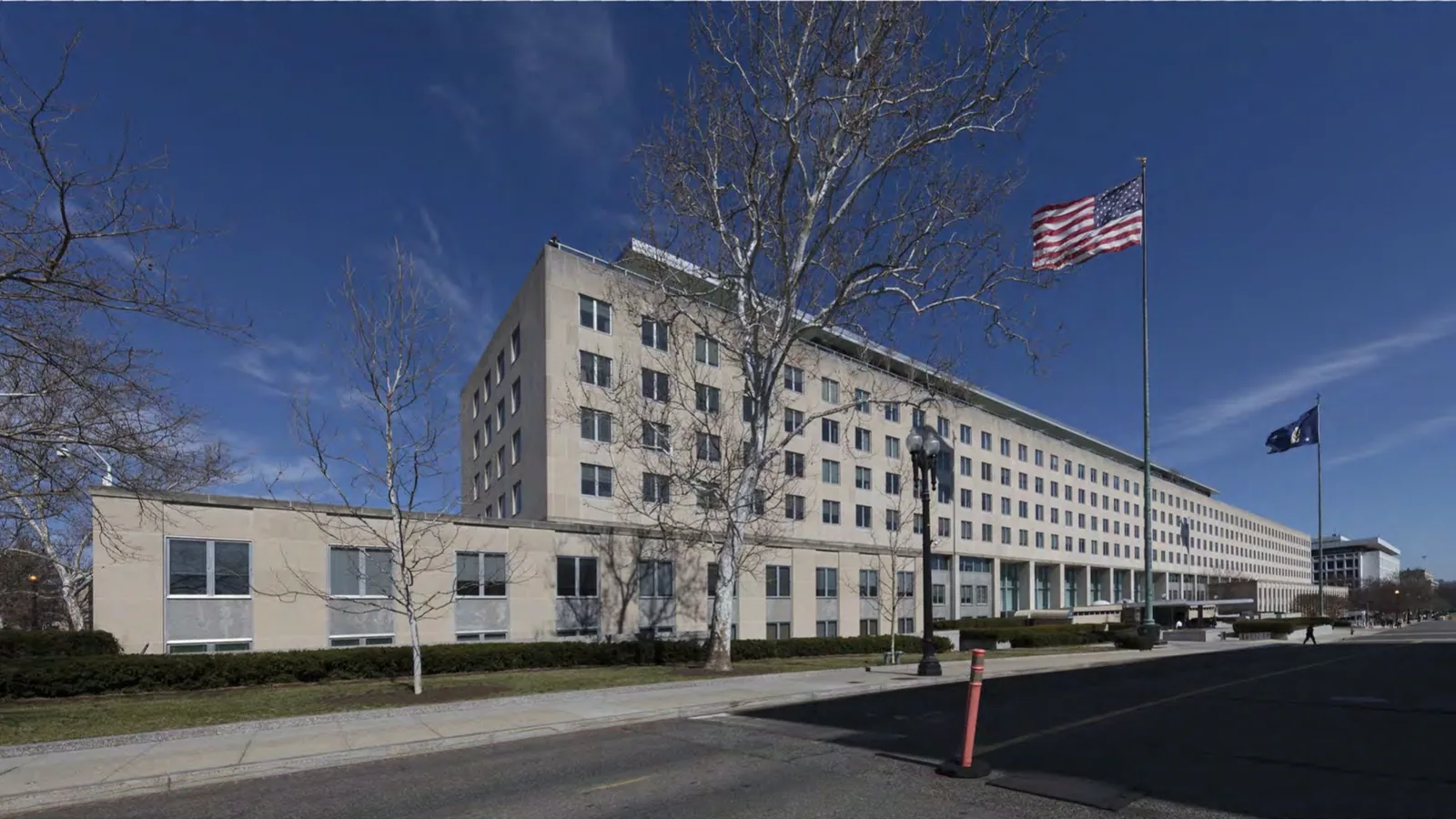
The Trump administration’s closure of the US Agency for International Development (USAID) has devastated global health programs worldwide, disrupting HIV treatment, maternal health services, and famine relief across the developing world.
The closure and its scope
USAID was the primary US agency for administering civilian foreign aid and development assistance. For decades, it managed billions of dollars in health, education, and humanitarian programs across more than 100 countries.
The Trump administration closed the agency as part of a broader effort to reduce federal spending and assume more direct control over foreign assistance through the State Department. In the process, the administration redirected $1.35 billion in global health funding to cover the cost of closing the agency.
Programs disrupted worldwide
The closure has hit multiple sectors.
HIV treatment: In sub-Saharan Africa, USAID-funded programs provided antiretroviral treatment to millions of people living with HIV. South Africa, which operates the world’s largest HIV treatment program, has reported significant disruptions to drug supply chains.
Maternal health: In South Asia and sub-Saharan Africa, USAID-supported clinics provided prenatal care, skilled birth attendance, and postnatal care to millions of women. The closure has left many facilities without essential medicines and staff.
Famine relief: In the Horn of Africa, USAID-funded food assistance programs reached millions of people facing acute food insecurity. The closure has interrupted food distributions in Ethiopia, Somalia, and Sudan.
Countries most affected
The countries most heavily affected by the USAID closure include South Africa, where HIV treatment and maternal health programs face disruption; Nigeria, where malaria prevention and maternal health services are at risk; Ethiopia, which relies on famine relief and health system support; Bangladesh, where maternal and child health programs have been affected; and the Democratic Republic of Congo, where Ebola surveillance and health system strengthening programs are under pressure.
Legal and political fallout
The closure has drawn criticism from lawmakers and nonprofit organizations. Public Citizen has sued the State Department over the lack of transparency around bilateral global health agreements and the closure process. The lawsuit is ongoing in federal court.
The $1.35 billion redirected from global health programs exceeds the entire annual health budget of many affected countries, amplifying the impact of the closure.
What happens next
With USAID closed, the State Department now manages remaining foreign assistance through direct bilateral agreements. However, the lack of USAID’s technical expertise and country-level presence has created implementation challenges.
The closure represents one of the largest reductions in US foreign assistance in the post-World War II era, and its effects on global health will be felt for years to come.
This is a developing story and will be updated as more information becomes available.