
FAA lifts nationwide ground stop after nearly five hours; flights begin resuming
The Federal Aviation Administration reopened U.S. airspace at 8:15 p.m. ET on Friday, ending the nationwide ground stop that halted all departing flights for nearly five hours after a telecommunications outage struck Air Route Traffic Control Centers.
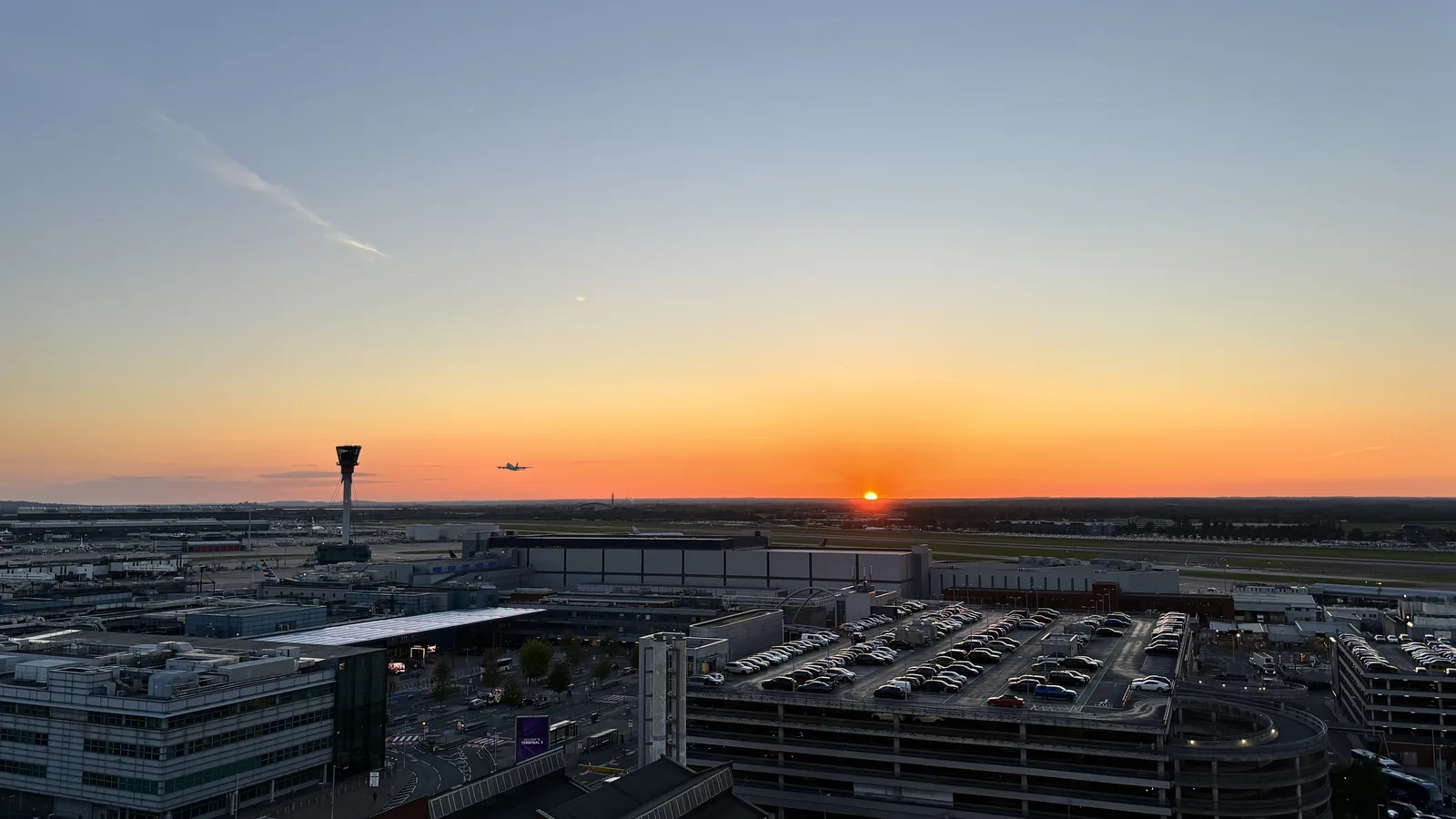
The Federal Aviation Administration lifted the nationwide ground stop at 8:15 p.m. ET on Friday, Nov. 13, 2026, reopening U.S. airspace after nearly five hours of halted departures that stranded thousands of passengers across the country.
What happened
The emergency order, issued around 4:00 p.m. ET, grounded all departing flights at every U.S. airport after a telecommunications outage struck the FAA’s Air Route Traffic Control Centers — the regional facilities that guide high-altitude aircraft between airport terminal zones.
Transportation Secretary Sean Duffy said the trouble began at 3:36 p.m. ET, when aging radar and telecommunications systems began faltering. “Our switches, our routers actually got overloaded with data and they started to give us inconsistencies in the data,” Duffy said at a White House briefing Friday night. “Because of that we shut the system down.”
Airborne domestic flights were allowed to continue to their destinations and land normally. Inbound international flights were managed on a case-by-case basis.
The scale of the disruption
The nearly five-hour ground stop — the longest nationwide aviation shutdown since the September 11, 2001 attacks — caused severe disruption across the U.S. air travel system:
- More than 6,600 flights cancelled
- 8,600 flights delayed
- At least 827 flights diverted to airports including Washington Dulles, Los Angeles International, Cincinnati/Northern Kentucky, and Nashville
- JetBlue cancelled all flights except Europe-bound departures from JFK and Boston; the airline said it plans to resume Saturday morning
Aviation analysts warned the grounding could disrupt airline schedules for days, with crews and aircraft out of position across the network.
Cause and response
Officials attributed the outage to overloaded legacy hardware, not a cyberattack. Homeland Security Secretary Markwayne Mullin said there was “zero evidence” of a cyber security attack or rogue artificial intelligence, though he did not rule anything out completely.
Duffy pointed to the FAA’s aging infrastructure — switches and routers carrying critical air traffic data — and called for congressional funding. “It’s going to continue to fail,” Duffy told reporters. “How many times does this have to happen for Congress to give the money to fix it?” The FAA’s broader air traffic control overhaul is estimated to need another $30 billion to complete.
What happens now
Airspace reopened at 8:15 p.m. ET, but Duffy warned that departures would resume gradually and it would take time for airlines to restore normal operations. “It’s going to be slow,” he said. “Hopefully tomorrow, we are going to start to see far better movement.”
Travelers were urged to check with their airlines for the latest flight status, as cancellations and delays were expected to continue into Saturday.
This is a developing story and will be updated as the FAA and airlines release further operational advisories.