FIA denies Red Bull Ford extra 2027 Formula 1 engine upgrades in final 2026 ADUO review as rivals keep concessions
Formula 1 governing body the FIA confirmed Tuesday that zero new power unit homologation tokens were awarded after its third and final 2026 ADUO assessment covering races 12 through 18, leaving Red Bull Ford with no extra 2027 upgrades while Mercedes keeps one and Ferrari, Audi, and Honda retain two apiece.
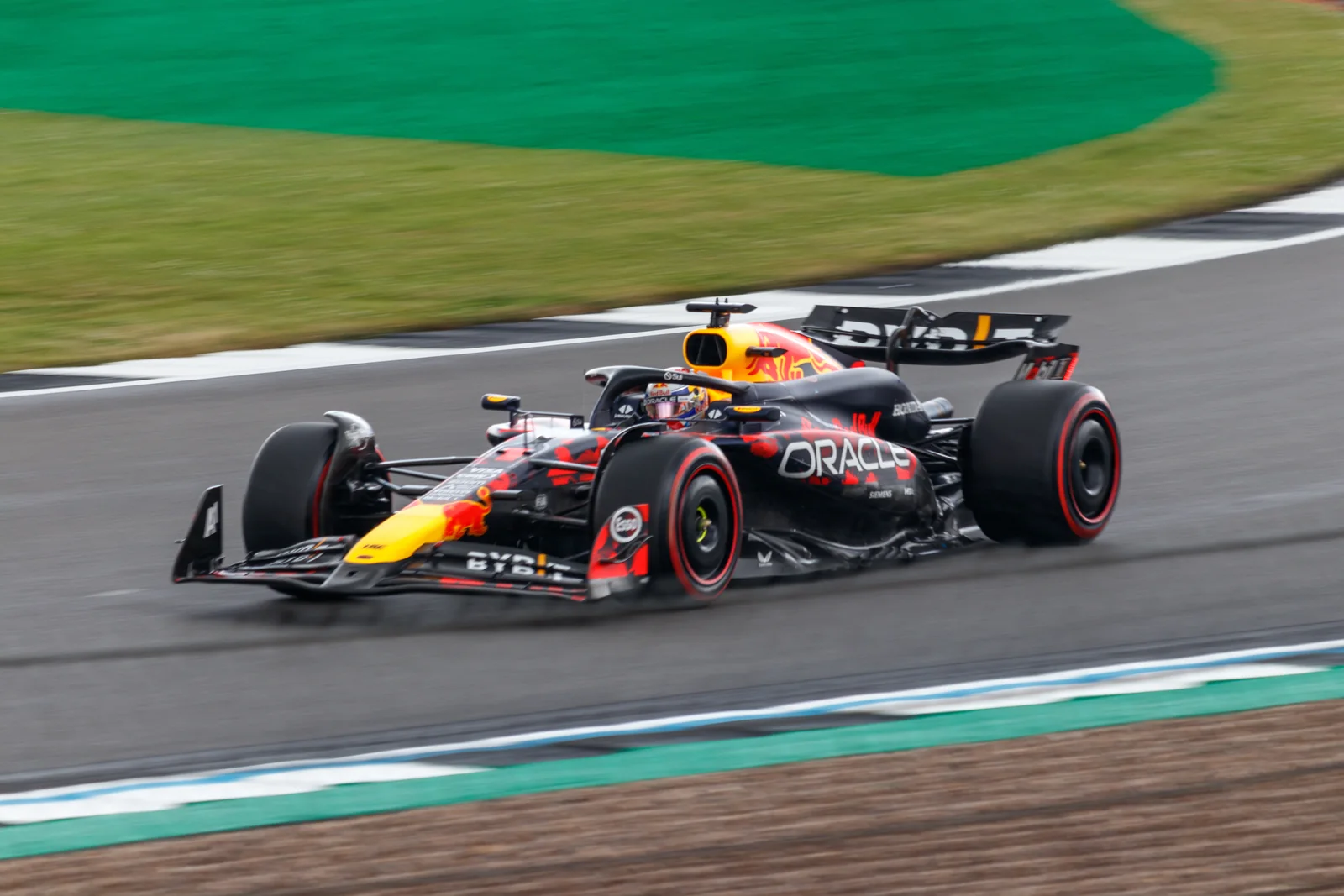
Formula 1’s governing body confirmed on Tuesday that no power unit manufacturer will receive fresh engine homologation concessions following the third and final assessment of the 2026 Additional Development and Upgrade Opportunities system, locking in a stark development divide ahead of the 2027 championship. According to Grande Premio’s technical report, the FIA notified all five power unit suppliers of its findings after analyzing performance data gathered across races 12 through 18 of the 2026 campaign.
Although FIA engineers observed shifts in the relative performance intervals separating the five manufacturers over the late summer and autumn stretch, none of those movements crossed a threshold that triggered new concessions. As a result, Red Bull Ford will enter the winter factory build and the start of the 2027 Formula 1 season with zero additional homologation opportunities from the 2026 review cycle, whereas rival manufacturers carry forward major development, dynamometer testing, and cost cap reliefs earned earlier in the year.
Specifically, Mercedes retains one extra homologation upgrade for 2026 and one additional homologation for 2027, while Ferrari, Audi, and Honda each retain two extra homologation upgrades for 2026 and two more for 2027. Coming just days before teams assemble for the high speed straights of the Las Vegas Grand Prix and alongside major 2027 powertrain reveals across FIA electric single seater racing, Tuesday’s verdict establishes the regulatory chessboard for year two of Formula 1’s revamped hybrid ruleset.
Why Red Bull Ford gets zero tokens while Mercedes and Ferrari keep allowances
Introduced for the 2026 power unit era to prevent early hardware missteps from locking manufacturers into multi year competitive irrelevance, the ADUO mechanism measures only internal combustion engine output rather than overall lap time, aerodynamic efficiency, or electrical hybrid deployment. Under FIA regulations, every supplier’s internal combustion unit is benchmarked against the championship’s strongest combustion engine across six race windows.
Any manufacturer assessed as trailing the leading combustion benchmark by between two percent and four percent qualifies for one additional homologation upgrade in the current season plus another for the following campaign, accompanied by expanded test bench hours and targeted power unit cost cap headroom. Suppliers found to sit more than four percent behind the combustion reference point unlock two extra homologations in both the current and subsequent seasons.
During the opening six race assessment of 2026, Red Bull Powertrains’ debut collaboration with Ford set or stayed within two percent of the combustion benchmark, disqualifying Milton Keynes from relief tokens while placing Mercedes in the two to four percent deficit bracket and Ferrari, Audi, and Honda beyond the four percent mark. Neither the second ADUO review completed after the Hungarian Grand Prix nor Tuesday’s third and final 2026 evaluation covering rounds 12 through 18 awarded any additional tokens to any supplier.
That distinction explains one of the paddock’s most intriguing technical paradoxes of 2026. Because ADUO isolates internal combustion horsepower from electrical energy recovery and chassis integration, a manufacturer can excel on electrical deployment and win races while still holding combustion upgrade concessions, whereas Red Bull Ford’s strong baseline V6 combustion index leaves it bound strictly to standard winter homologation rules without bonus test bench hours or cap adjustments.
Tombazis defends FIA data rigor while signaling future refinements
Citing commercial and intellectual property confidentiality among competing automotive giants, the FIA declined on Tuesday to publish exact kilowatt figures or percentage movements from the rounds 12 to 18 dataset. Even so, FIA single seater director Nikolas Tombazis strongly backed the integrity of the federation’s telemetry and cylinder pressure modeling across the inaugural season of the concession framework.
Tombazis stated that the governing body conducted extensive engineering analysis throughout each 2026 review window and expressed complete confidence in both the quality of the underlying sensor data and the robustness of the conclusions communicated to manufacturers. At the same time, he acknowledged that any brand new balancing mechanism reveals areas for methodological tuning once teams gain real world operating experience, confirming ongoing discussions with power unit suppliers and Formula 1 squads over refinements for future seasons.
Balancing technical meritocracy against competitive convergence remains notoriously delicate in grand prix racing. Rewarding Red Bull Ford’s achievement in building a class leading internal combustion engine at its new Milton Keynes facility means refusing to penalize rival giants permanently, yet handing Ferrari, Honda, Audi, and Mercedes extra combustion redesign slots inevitably compresses Red Bull’s margin for error over the winter months.
What happens next between Las Vegas and the 2027 Bahrain to Miami review
With the 2026 ADUO ledger now closed, engine departments in Brixworth, Maranello, Neuburg, Sakura, and Milton Keynes know the exact legal boundaries governing their 2027 specifications. Crucially, the FIA noted that retaining one or two additional homologations reflects earned regulatory eligibility rather than confirmation that every manufacturer has already spent those tokens on track during 2026, giving rivals strategic latitude in sequencing hardware upgrades before next March.
Formula 1’s next ADUO evaluation window will cover the opening six grands prix of the 2027 world championship, stretching from the season curtain raiser in Bahrain through the Miami Grand Prix. Only after those six rounds will Red Bull Ford have fresh mathematical eligibility for concessions should Ferrari, Mercedes, Audi, or Honda leapfrog its combustion output by more than two percent over the winter.
In the immediate term, power unit efficiency returns to center stage at the Las Vegas Strip Circuit, where frigid desert night temperatures, lengthy full throttle blasts, and heavy braking zones place brutal demands on both internal combustion reliability and electrical harvesting. Heading into 2027 without a single bonus token, Red Bull Ford must rely on operational precision and electrical optimization to fend off four well armed rivals holding extra FIA development cards.
Cost cap leverage and dynamometer hours behind the 2027 upgrade gap
Focusing solely on homologation token counts risks understating the secondary engineering advantages that Mercedes, Ferrari, Audi, and Honda carry into 2027 alongside their upgrade slots. Under the FIA’s ADUO sporting and financial framework, qualifying behind the two percent and four percent combustion thresholds also unlocks proportional increases in permitted power unit dynamometer testing hours and targeted cost cap adjustments inside each manufacturer’s engine division.
In modern Formula 1 development, extra bench durability mileage is often just as valuable as permission to alter cylinder head geometry, injector spray patterns, or turbocharger packaging. Running aggressive combustion maps for longer hours on factory test beds allows engineers at Maranello, Sakura, Neuburg, and Brixworth to push thermal efficiency closer to reliability limits before signing off race engines for the opening flyaway rounds in Bahrain and Saudi Arabia.
Red Bull Ford, by contrast, must extract reliability and drivability gains within standard baseline dyno caps and strict homologation freeze boundaries until at least round six of 2027 in Miami. Having surprised skeptics across the paddock by debuting an in house Milton Keynes combustion unit strong enough to set the benchmark index in year one, Red Bull’s powertrain engineers now face the ultimate compliment and toughest test in motorsport: defending their advantage while every rival works through the winter with extra FIA ammunition.