Arsene Wenger seriously weighs FIFA presidential challenge against Gianni Infantino before November 18 deadline
Former Arsenal manager Arsene Wenger, now 77 and serving as FIFA chief of global football development, is giving serious consideration to standing against Gianni Infantino ahead of next Wednesday's nomination cutoff following backlash over Infantino's aborted World Cup stake sale.
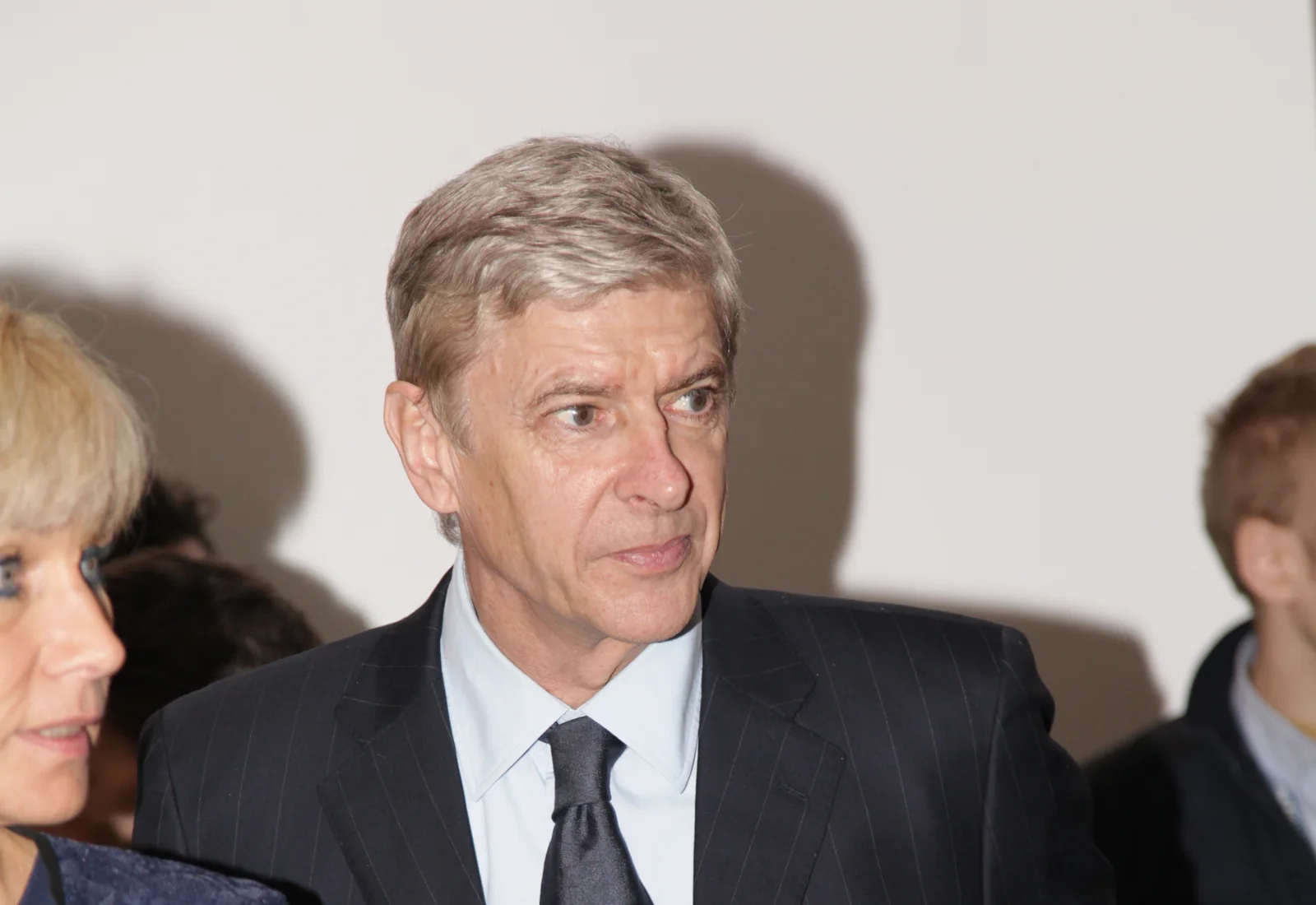
Former Arsenal manager Arsene Wenger is giving serious consideration to launching a dramatic challenge against Gianni Infantino for the FIFA presidency, setting up a potential split inside world football’s governing body just eight days before candidate nominations close. According to BBC Sport reporting by Dan Roan, senior figures across European football have spent weeks urging the 77 year old Frenchman to enter the race, and Wenger is now actively weighing whether to declare before the November 18 deadline.
The next FIFA presidential election is scheduled to take place on March 18, 2027, during the organization’s congress in Rabat, Morocco. To appear on the ballot, any challenger must secure formal written nominations from at least five of FIFA’s 211 member national associations by next Wednesday, transforming the coming week of international fixtures into an intense corridor lobbying contest across Europe, Asia, and Africa.
What makes a potential Wenger candidacy extraordinary is his current seat inside Infantino’s own administration. Since November 2019, Wenger has served as FIFA’s chief of global football development, spearheading academy initiatives, coaching education, offside technology trials, and technical studies around the expanded international calendar. Stepping forward to oppose Infantino would convert one of Zurich’s most recognizable ambassadors into the centerpiece of an institutional reform campaign.
How Infantino’s aborted World Cup stake sale ignited a governance revolt
Until this autumn, Infantino appeared virtually certain to cruise unopposed toward another term in Rabat, much as he did at the 2019 and 2023 FIFA congresses. That aura of inevitability fractured after revelations of Infantino’s plan to place World Cup commercial assets into a new corporate vehicle, FIFA Forward Enterprise, and sell equity stakes in football’s flagship tournament to private outside investors.
Backlash from European federations and council members forced Infantino into a humiliating retreat from the private equity sell off, yet anger over how the proposal was drafted behind closed doors has lingered. Earlier this month, FIFA informed council members that key documents detailing the aborted World Cup investment plan would finally be made available for inspection, but only if officials travel in person to FIFA headquarters in Zurich and review the paperwork under strict confidentiality protocols.
Critics inside UEFA view those viewing restrictions as emblematic of concentrated executive power under Infantino, who succeeded Sepp Blatter in February 2016 promising transparency and checks on presidential authority. For European federation presidents seeking a candidate with unimpeachable football stature capable of uniting reform minded voters without getting bogged down in confederation turf wars, Wenger emerged as the consensus choice.
Questions inevitably surround Wenger’s age, as turning 77 last month raises fair debate over whether he would want to shoulder four grueling years of global travel and political combat through 2031. Supporters courting the Frenchman have already floated a pragmatic answer, telling BBC Sport they would gladly back Wenger to win the March 2027 mandate, stabilize governance structures, restore cabinet accountability to the FIFA Council, and step aside before completing a full four year term if he chooses.
Electoral arithmetic across 211 associations and rival challengers
Should Wenger decide to run before November 18, he would join two candidates who have already declared intentions to challenge Infantino, though neither carries Wenger’s global name recognition. Former Switzerland and Tottenham Hotspur defender Ramon Vega became the first hopeful to announce a bid in October, followed by Japan Football Association honorary president and veteran football administrator Kozo Tashima.
Securing the five required federation nominations would be straightforward for Wenger if key UEFA nations rally publicly behind him, especially at a moment when European capitals are already coordinating closely on broader multilateral diplomacy. Winning an outright majority of 106 associations on the congress floor in Rabat, however, presents a far steeper climb against an incumbent who controls FIFA’s vast development funding machinery.
Infantino retains formidable backing across South America, much of Asia, and Africa, where FIFA’s redistributed Forward grants underwrite stadium construction, domestic leagues, and federation operating budgets. Only recently, the Confederation of African Football delivered Infantino a major pre election boost when all 54 African member associations pledged unified support after promises of increased development funding, allowing Infantino to boast that he commands the vast majority of world football.
Yet Wenger is uniquely positioned to test how solid those bloc pledges truly are in a secret ballot. Throughout his 22 year reign at Arsenal from 1996 to 2018, where he captured three Premier League titles including the unbeaten Invincibles campaign and seven FA Cups, Wenger was celebrated across Africa as a trailblazing champion of African players at the summit of the European game, mentoring icons from Kanu and Lauren to Kolo Toure and Emmanuel Eboue while receiving Liberia’s highest state honor from George Weah.
Just as importantly inside developing federations, Wenger cannot easily be painted by Infantino loyalists as a Eurocentric elitist bent on shrinking global access. Through his six years leading FIFA’s talent development scheme, Wenger personally championed the expanded 48 team World Cup format specifically as an engine to lift coaching standards and youth pathways outside football’s traditional European and South American powerhouses.
Eight days that will shape world football’s ballot in Rabat
Between Tuesday and next Wednesday’s nomination cutoff, Wenger faces a defining personal calculation. Remaining inside FIFA’s technical wing preserves his hands on academy projects across more than 100 countries, whereas entering the presidential race requires severing ties with Infantino’s administration and plunging into four months of bare knuckle electoral politics ahead of Rabat.
Even if Tashima and Vega stay in the field, European powerbrokers know that splitting reform votes or fielding a lesser known administrator plays directly into Infantino’s hands. Wenger alone combines household recognition on every continent, fluency in multiple languages, deep personal goodwill among African and Asian federations, and credibility inside UEFA boardrooms. Whether the former Arsenal boss files five nominations by November 18 will determine if March’s vote in Morocco becomes a coronation or the fiercest contest in modern FIFA history.
Institutional stakes for FIFA council oversight and future World Cup governance
At the heart of the European push behind Wenger is a structural dispute over who sets commercial and sporting policy for international football over the next decade. Under FIFA’s current statutes, member federations rely on the 37 member FIFA Council to scrutinize major financial ventures before commitments reach congress, yet council critics argue that the FIFA Forward Enterprise proposal advanced far into private negotiations before elected representatives saw foundational terms.
Requiring council members to fly personally to Zurich and read World Cup investment documents under restrictive viewing rules only sharpened demands for a candidate willing to restore transparent committee oversight. Supporters of a Wenger transition believe even a single term presidency could rewrite disclosure rules around commercial joint ventures, rebalance fixture consultation with domestic leagues and player unions, and insulate development grants from election cycle politics before Rabat delegates gather on March 18.