Google launches Gemini 4 Hydrogen across Search, Gemini app and API at 2.5x faster coding speeds
Google rolled out Gemini 4 Hydrogen globally across Search, the Gemini app, AI Studio, and enterprise developer tools, pairing a 1-million-token context window and four adjustable reasoning tiers with speeds 2.5 times faster than Gemini 3.8 Flash.
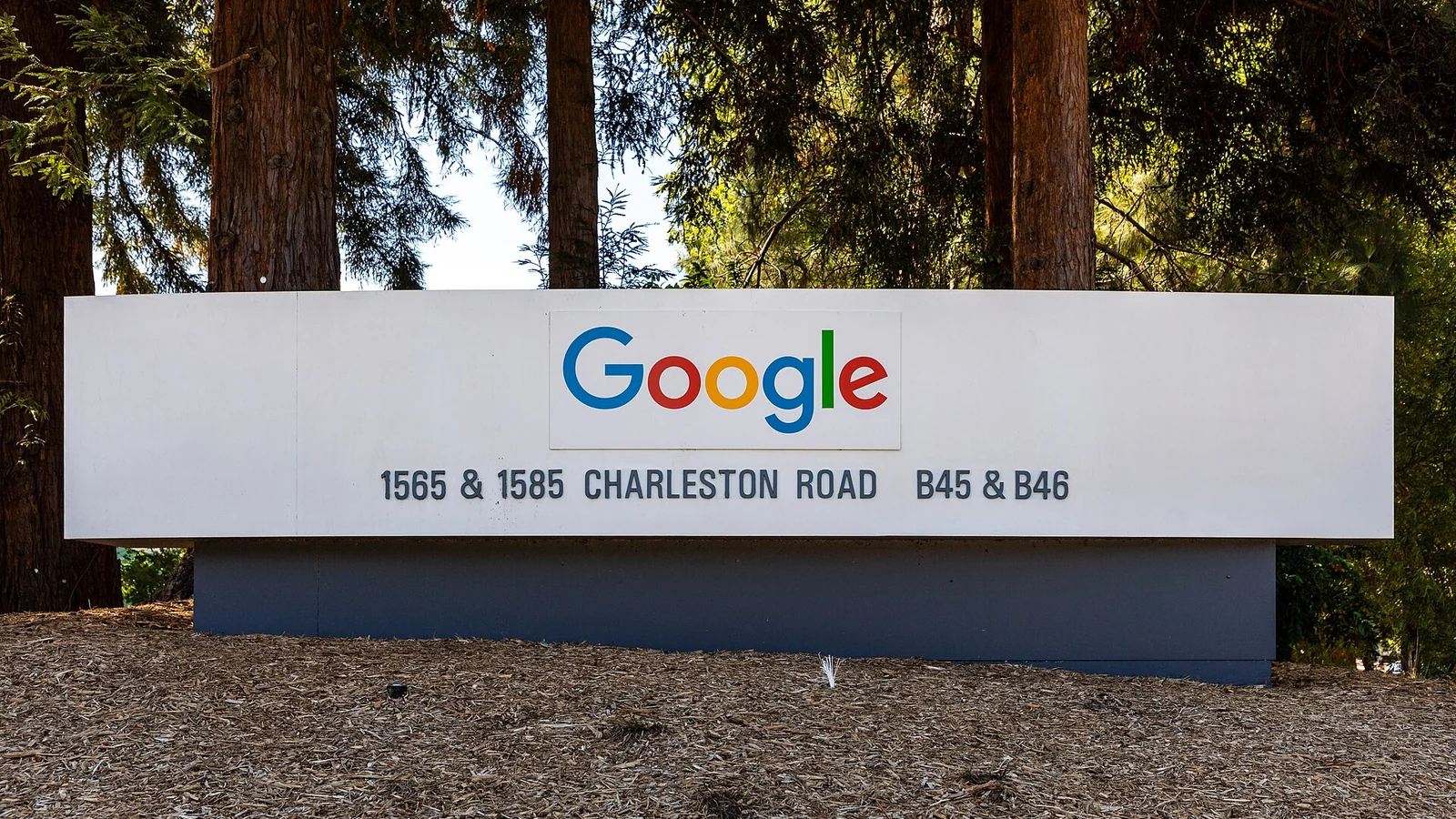
MOUNTAIN VIEW, Calif. — Google has released Gemini 4 Hydrogen worldwide, deploying a high-speed artificial intelligence model across Google Search, the Gemini consumer app, Google AI Studio, and its commercial cloud APIs to accelerate everyday software engineering and multi-step agent workflows.
Positioned as the rapid-execution counterpart to Google DeepMind’s heavier Carbon and Argon reasoning models, Gemini 4 Hydrogen brings fourth-generation intelligence to free and paid users simultaneously while giving enterprise developers flat pricing across a massive 1-million-token context window.
Built for high-speed coding and parallel AI agents
According to Google’s technical documentation, Gemini 4 Hydrogen accepts up to 1,048,576 input tokens of text, images, audio, and video—and can generate up to 1,048,576 output tokens in a single pass—making it capable of ingesting entire software repositories or lengthy enterprise document libraries without chunking.
Developers can dial the model’s internal reasoning depth across four settings—low, medium, high, and xhigh—depending on whether a task favors instant latency or deeper verification. At its default high setting, Google says Hydrogen runs 2.5 times faster than Gemini 3.8 Flash while posting 57 percent on the Terminal-Bench 4.1 coding evaluation, more than tripling the earlier model’s 18.2 percent mark.
On the independent Artificial Analysis Intelligence Index, Google reports Hydrogen scores 51 at its default high tier—edging past Gemini 4 Argon’s score of 50—and climbs to 54 when set to xhigh. The model also logged 71.6 percent on Agents’ Last Exam v1.1 and reduced fabricated factual claims by more than fivefold compared with its Flash predecessor.
Pricing and the new Antigravity Orchestrator
On the paid Gemini API tier, Google priced Gemini 4 Hydrogen at $1.50 per million input tokens and $7.50 per million output tokens across the entire 1-million-token window, roughly double the per-token list price of Gemini 3.8 Flash while retaining a free tier inside Google AI Studio for prototyping.
Alongside the model rollout, Google upgraded its Antigravity developer suite for paid Google AI Pro and Ultra subscribers with a feature called Orchestrator. Rather than running an expensive frontier model on every routine subtask, Orchestrator uses Gemini 4 Carbon to plan complex software jobs while dispatching isolated Hydrogen worker and verifier agents in parallel. On Terminal-Bench 4.0 tests, Google said that hybrid setup matched Carbon’s standalone accuracy while consuming 24 percent less compute quota and finishing tasks 19 percent faster.
What changes in Google Search and the Gemini app
For everyday users, Hydrogen is already live inside the Gemini mobile and web apps to speed up research synthesis, spreadsheet analysis in Google Sheets, and multi-turn writing tasks. Inside Google Search, the model powers broader query fan-out and visual answer assembly, allowing Search to break intricate comparison questions into simultaneous web lookups without adding noticeable wait times.
Internal safety evaluations published with Thursday’s launch also highlight cleaner boundaries for autonomous software agents, with Google reporting an 81 percent drop in agentic overreach—where an AI tool takes actions beyond a user’s instructions—and greater resistance to indirect prompt-injection traps hidden on webpages. The release intensifies a fierce autumn product sprint across Silicon Valley just as Nvidia navigates a historic chief executive transition and rival labs race to trim inference costs for corporate customers.