United Airlines bans AI agents including OpenAI dots and Meta Muse from booking flights, warning tickets face cancellation
United Airlines revised its Contract of Carriage effective November 11–12 to prohibit unauthorized third-party AI agents such as OpenAI's dots and Meta's Muse from booking, modifying, or checking into flights, citing MileagePlus security and FAA hazardous-baggage acknowledgments.
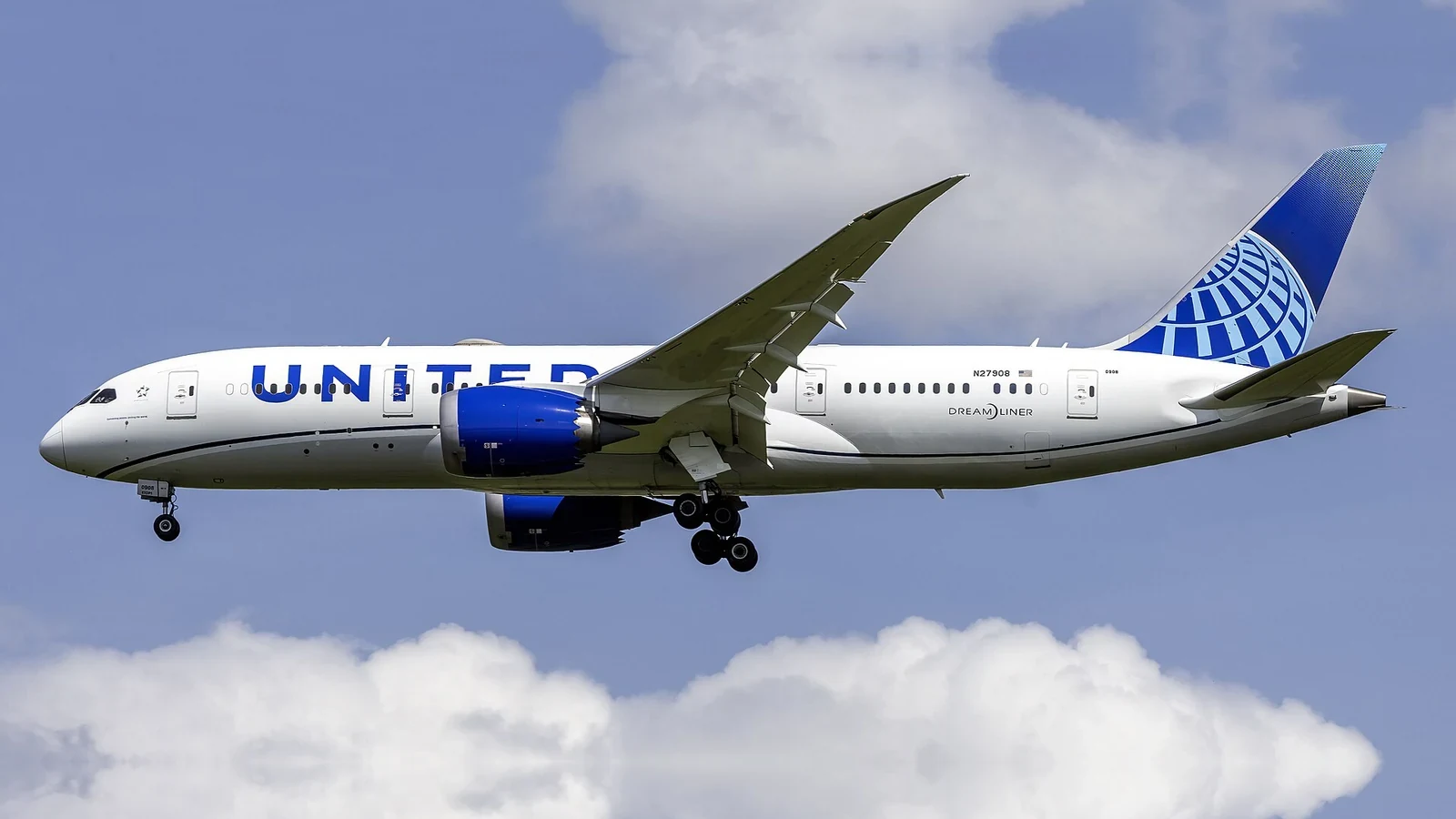
United Airlines updated its passenger Contract of Carriage effective Nov. 11–12, 2026, barring unauthorized third-party artificial intelligence agents—including OpenAI’s dots and Meta’s Muse—from booking, changing, or checking into flights under threat of immediate ticket cancellation.
Key rules in United Airlines’ new AI agent booking ban
- What is prohibited: Passengers and autonomous software bots are barred from using unauthorized third-party personal AI agents—such as OpenAI’s
dotsand Meta’sMuse—to purchase tickets, modify itineraries, select seats, or complete flight check-in on United’s website, mobile app, or partner channels. - Enforcement penalty: Under the revised Contract of Carriage, United reserves the legal right to cancel reservations booked or altered by unauthorized AI agents without prior notice.
- Grandfathered bookings: Reservations completed through AI assistants prior to Nov. 11, 2026, will still be honored by the airline.
- Traditional travel sites unaffected: Established licensed online travel agencies and metasearch platforms—including Google Flights, Kayak, and Hopper—remain fully permitted because they operate under authorized airline distribution agreements.
- Safety and account triggers: United cited both MileagePlus credential security and federal aviation rules requiring a human passenger—not an autonomous bot—to review and acknowledge hazardous-materials baggage restrictions at check-in.
Can United Airlines cancel flights booked by AI agents like OpenAI dots and Meta Muse?
Yes. By writing the restriction directly into its legally binding Contract of Carriage—the terms every traveler agrees to when purchasing an airfare—United became the first major U.S. legacy carrier to draw a hard contractual line against consumer “agentic AI” browsers that click through checkout and check-in screens on a user’s behalf.
Unlike traditional travel aggregators that connect to airlines through governed industry APIs, consumer AI agents log directly into a traveler’s personal browser session or MileagePlus loyalty account, scrape live fare matrices, enter stored credit-card credentials, and click confirmation buttons autonomously. Under United’s updated rules, any itinerary detected as having been purchased or checked in via an unapproved autonomous agent after Nov. 11 can be voided by the carrier.
Travel industry analyst Henry Harteveldt, president of Atmosphere Research Group, noted that airlines are moving preemptively before autonomous shopping assistants scale into peak Thanksgiving and December holiday travel volumes, where a single hallucinated fare rule, mistyped passport field, or unauthorized nonrefundable upgrade can leave travelers stranded at airport gates with unclear legal liability.
Why did United cite FAA hazardous-materials rules and MileagePlus security?
Beyond commercial control, United pointed to a concrete federal aviation compliance gap created when an AI agent checks a passenger in automatically 24 hours before departure.
Under Federal Aviation Administration (FAA) and Department of Transportation regulations, every airline passenger checking in for a commercial flight must actively view and acknowledge mandatory safety disclosures barring lithium-ion spare batteries, aerosols, e-cigarettes, and other hazardous materials from checked luggage. When an autonomous agent clicks “I Agree” in the background without a human ever seeing the warning screen, airlines face heightened regulatory and safety exposure if prohibited items end up in an aircraft cargo hold.
United also warned that handing MileagePlus login credentials and saved payment methods to third-party AI wrappers exposes frequent-flyer balances to account-takeover fraud and automated seat-inventory scraping that degrades app performance for human customers.
Why are airlines pushing back against autonomous AI travel intermediaries?
The contractual ban follows pointed remarks in Chicago on Tuesday, Nov. 10, by United Airlines CEO Scott Kirby, who signaled that the carrier has no intention of letting Silicon Valley AI platforms insert themselves as new tollbooths between United and its flyers.
For decades, major airlines fought costly distribution battles to reduce fees paid to legacy global distribution systems and steer travelers directly onto airline-owned mobile apps—where carriers sell seat upgrades, co-branded credit cards, and bundled ancillary perks. As tech giants roll out consumer agents alongside broader enterprise hybrid AI infrastructure deployments, airlines see unapproved booking bots as both a cybersecurity hazard and a threat to direct customer relationships.
Passengers who use AI chatbots purely to brainstorm vacation itineraries or compare flight times—before opening United’s app or an authorized site like Google Flights to complete the purchase and check-in themselves—remain completely unaffected by the new policy.