Federal appeals court blocks Justice Department blanket demand for journalists private LinkedIn data in leak probe
A unanimous three judge panel of the 4th US Circuit Court of Appeals ordered a lower court to narrow a secret, gag ordered Justice Department demand forcing LinkedIn to turn over 18 months of reporters private communications, warning that wholesale collection threatens press freedom.
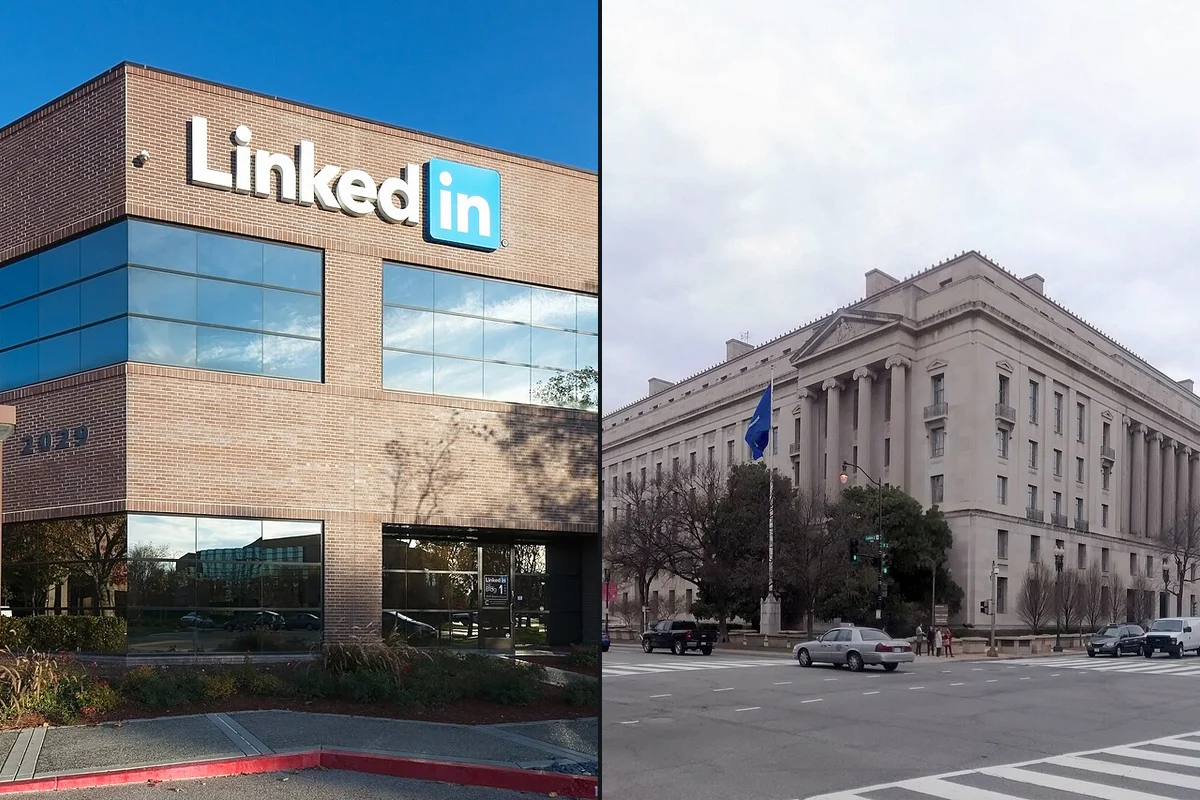
A federal appeals court has rebuked the Justice Department over a secretive, gag-ordered directive ordering Microsoft-owned LinkedIn to hand over 18 months of private account records and direct messages belonging to a group of national-security journalists, ruling unanimously that the government cannot conduct a “wholesale” sweep that would unmask hundreds of unrelated confidential sources.
In a landmark First Amendment and digital-privacy decision from the Richmond-based 4th US Circuit Court of Appeals, a bipartisan three-judge panel instructed US District Judge Elizabeth Hanes in Newport News, Virginia, to substantially narrow the disclosure order after LinkedIn fought both the breadth of the subpoena-style demand and a non-disclosure gag barring the company from notifying the targeted newsroom.
Writing for the panel — which paired Reagan appointee Judge J. Harvie Wilkinson III with Obama appointee Judge James Andrew Wynn and Biden appointee Judge Nicole G. Berner — Wilkinson warned that letting federal prosecutors harvest platform communications across an entire year-and-a-half of reporting would chill investigative journalism nationwide.
“A request by the government to scoop up reporters’ records wholesale and ascertain the identity of their sources would tip the balance against informed discourse in a manner inimical to democratic health,” Wilkinson wrote.
Secret gag order sought 18 months of platform records spanning nearly 1,000 articles
Court filings unsealed alongside the ruling kept the identities of the targeted reporters and their employer redacted, noting only that prosecutors opened a criminal leak investigation after a major news organization published classified details concerning a covert US military operation overseas.
To hunt for the government official who leaked those details, prosecutors obtained a sealed district-court order compelling LinkedIn — a subsidiary of Microsoft, which has been in the spotlight simultaneously this week over enterprise Outlook security patches and cloud credential protection — to turn over broad communication logs and subscriber metadata for multiple journalists covering a full 18-month window.
According to Wilkinson’s opinion, the targeted reporters authored or contributed to nearly 1,000 published articles across dozens of unrelated beats during those 18 months. Enforcing the district court’s blanket order, the panel found, would expose confidential whistleblowers and civil-servant contacts who had nothing to do with the military story under investigation.
“While that order may catch sources relevant to the government’s investigation, it will also inevitably sweep in every other confidential source with whom the targeted journalists spoke,” Wilkinson wrote, adding pointedly: “Press freedom is among those things viewed by autocrats worldwide as a threat to their grip on power.”
Tech platforms emerge as frontline gatekeepers in press-leak clashes
Media-law advocates hailed LinkedIn’s decision to litigate under seal rather than quietly surrender the journalists’ inbox histories. Because federal investigators accompanied the demand with a statutory gag order barring LinkedIn from alerting the reporters or their newsroom lawyers, the platform itself was the only party positioned to raise First Amendment and Stored Communications Act objections before data changed hands.
The ruling arrives amid a broader wave of courtroom clashes over federal leak inquiries and press independence, including media subpoenas and a separate unanimous federal appeals ruling this week concluding that administration officials unlawfully removed the director of Voice of America. On remand in Virginia, prosecutors will now have to demonstrate narrowly tailored date ranges and specific evidentiary links before Judge Hanes can authorize any limited LinkedIn disclosure.