October US inflation tops forecasts at 0.4 percent as core CPI fuels December Federal Reserve rate hike bets
Bureau of Labor Statistics data released Tuesday showed US consumer prices rose 0.4 percent in October while core inflation climbed 0.3 percent for a third consecutive month, sending 10 year Treasury yields toward 4.94 percent and putting a half point December Fed hike into play.
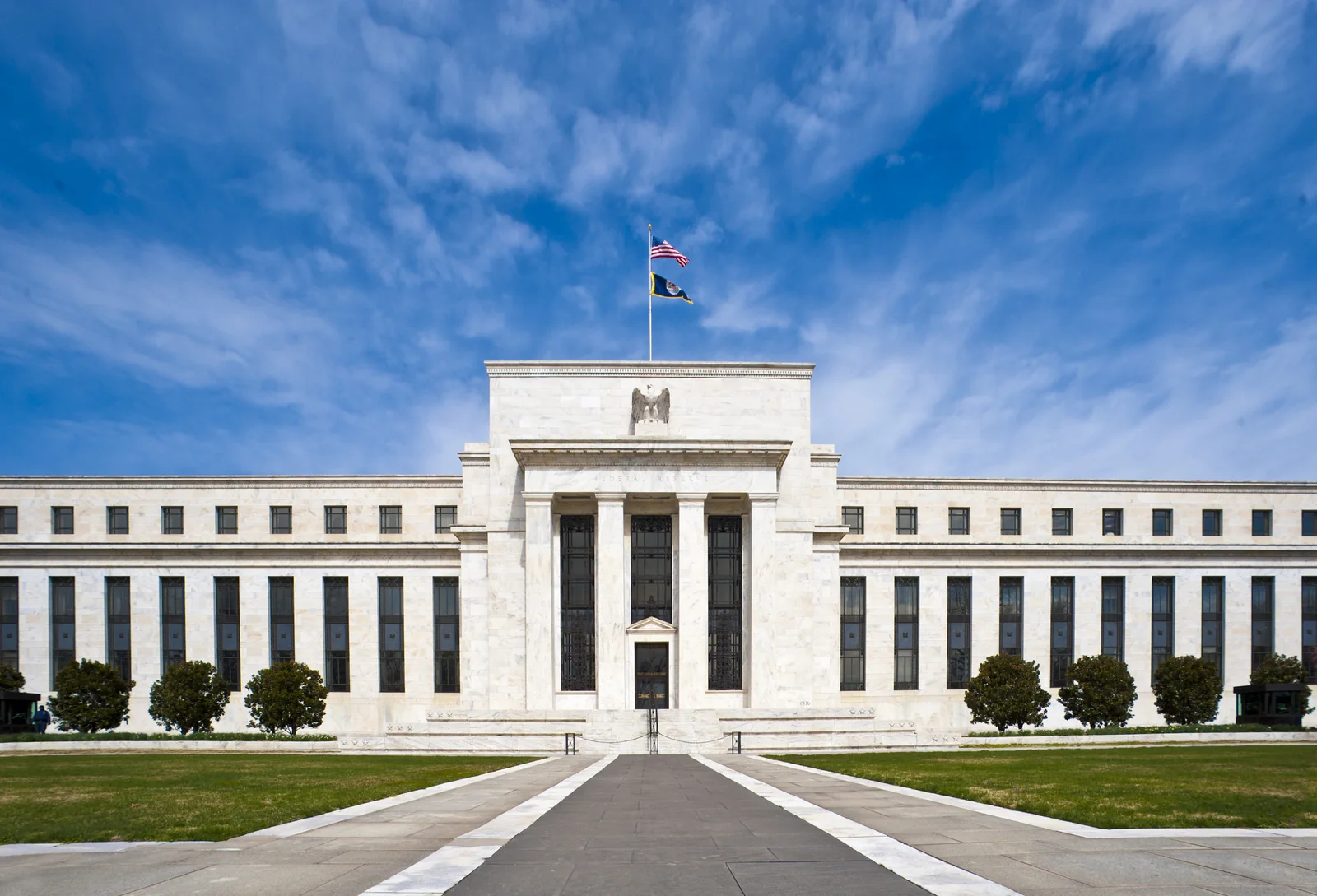
United States consumer inflation ran hotter than Wall Street anticipated in October, keeping intense pressure on the Federal Reserve to raise borrowing costs next month and sparking an immediate sell off across government bonds and technology stock futures on Tuesday morning. Data published at 8:30 a.m. Eastern time by the Bureau of Labor Statistics showed the headline Consumer Price Index rose 0.4 percent month over month in October, cooling from September’s energy driven 0.6 percent surge yet topping economist consensus estimates of 0.3 percent as compiled in market data reports.
Even more consequential for central bankers was the core Consumer Price Index, which strips out volatile food and energy components. Core prices climbed 0.3 percent in October rather than decelerating to the 0.2 percent pace forecast by Dow Jones and Reuters economist surveys. That marks a third consecutive monthly core increase of 0.3 percent, an annualized trajectory near 3.7 percent that shows price pressures spreading stubbornly across domestic services and imported household goods even as crude oil retreats from wartime peaks.
In an unusual statistical quirk hanging over Tuesday’s report, the Labor Department omitted official twelve month year over year inflation percentages because last October’s federal government shutdown halted field price collection during the comparison period. Independent economist estimates placed annual headline inflation near 3.9 percent, meaning price increases outpaced the 3.1 percent annual rise in average hourly earnings for a seventh straight month.
Why 0.3 percent core inflation hit Christopher Waller’s exact warning line
Tuesday’s upside surprise carried immediate policy sting because it landed squarely on the threshold drawn hours earlier by Federal Reserve Governor Christopher Waller. Speaking in London ahead of the release after voting with the Federal Open Market Committee majority last month to hold the benchmark federal funds rate steady between 3.75 percent and 4.00 percent, Waller warned that monetary policy needed tightening sooner rather than later.
Crucially, Waller stated that while he leaned toward a standard 25 basis point rate increase at the upcoming December 8 to December 9 Federal Open Market Committee meeting if inflation moderated as forecast, policymakers should actively consider a larger 50 basis point hike if October core CPI printed around 0.3 percent or higher.
Bond traders wasted zero seconds repricing that risk. According to Yahoo Finance live market tracking, yields on the policy sensitive 5 year Treasury note leaped 10 basis points to 4.75 percent within minutes of the 8:30 a.m. release, while the benchmark 10 year Treasury yield climbed 7 basis points to 4.93 percent and the 30 year yield advanced to 5.29 percent. Interest rate futures priced an 84 percent probability of a quarter point hike in December alongside a newly emerged 15 percent chance of a half point increase, up from virtually zero on Monday, knocking Nasdaq 100 futures down roughly one percent after Monday’s sharp equity rebound.
Shelter, groceries, insurance, and imported household goods drive October gains
Beneath the headline numbers, category breakdowns revealed why falling pump prices alone have failed to extinguish broader inflation. Energy costs rose 0.7 percent overall in October as gasoline increased 1.0 percent, a dramatic slowdown from September’s 9.1 percent gasoline spike triggered by Strait of Hormuz shipping disruptions, and Brent crude slipped below 90 dollars per barrel on Tuesday morning for the first time since August.
Yet household essentials accelerated elsewhere. Shelter, which accounts for roughly 35 percent of the total CPI basket, rose 0.3 percent in October and generated more than thirty percent of the entire monthly headline advance, led by a 0.3 percent gain in owners’ equivalent rent, a 0.2 percent rise in primary rents, and a 0.6 percent jump in hotel and lodging rates. Food prices jumped 0.5 percent after sitting flat in September, pushed higher by a 0.4 percent increase at grocery stores, a 0.5 percent rise in restaurant meals, and a 0.9 percent climb in beef prices.
Core services excluding energy rose 0.3 percent as motor vehicle insurance climbed 0.7 percent, hospital services gained 0.8 percent, recreation rose 0.8 percent, and airline fares increased 0.4 percent. Meanwhile, although used car and truck prices dropped 1.2 percent, import heavy household categories posted sharp jumps, including 1.2 percent in furniture and bedding, 1.4 percent in major appliances, and 1.8 percent apiece in toys and audio video equipment.
Six years above target and high stakes ahead of December 8
Having watched inflation overshoot its official 2 percent Personal Consumption Expenditures target for nearly six consecutive years, Chair Jerome Powell’s committee enters the final four weeks before its December decision with minimal room for dovish patience. Combined with last week’s unexpectedly resilient October payrolls report, three straight 0.3 percent core CPI readings confirm that underlying demand and service sector pricing power remain uncomfortably hot, leaving American borrowers bracing for higher interest rates before year end.
Equity volatility doing partial tightening work as credit markets watch yields
One silver lining cited by market strategists on Tuesday morning is that recent turbulence across equities and corporate credit spreads has already begun tightening financial conditions ahead of formal central bank action. Two trading days before Monday’s sharp tech rebound, the S&P 500 suffered its steepest single session drop in eighteen months, prompting analysts at firms such as Citigroup and DataTrek to note that sustained equity pullbacks or wider high yield credit spreads represent the primary scenario capable of restraining aggressive Federal Reserve rate hikes into early 2027.
Even so, with 10 year Treasury yields pushing back toward five percent and thirty year mortgage rates tracking higher alongside long dated government debt, housing affordability and capital intensive infrastructure borrowing face renewed headwinds entering winter. Unless late November personal consumption expenditure figures or employment data cool dramatically before policymakers convene in Washington on December 8, Tuesday’s stubbornly firm October CPI print virtually cements higher US interest rates to close out 2026.
Adding to the challenge for household budgets is the cumulative gap between paychecks and grocery or housing bills since spring. While economists initially hoped earlier this year that wartime price spikes would stay confined to crude oil and refined fuel, three month annualized inflation excluding energy has now climbed to roughly 3.6 percent, demonstrating that service providers, insurers, hospitals, and landlords have continued passing higher operating costs straight through to consumers. For Federal Reserve officials sworn to restore price stability, that broad diffusion makes December inaction virtually impossible to defend.