ExxonMobil signs preliminary PDVSA deal toward historic Venezuela return nearly 20 years after asset seizures
ExxonMobil signed a nonbinding memorandum of understanding with Venezuelan state oil company PDVSA in Caracas to evaluate upstream heavy crude projects, marking a potential return almost two decades after Hugo Chavez expropriated its operations.
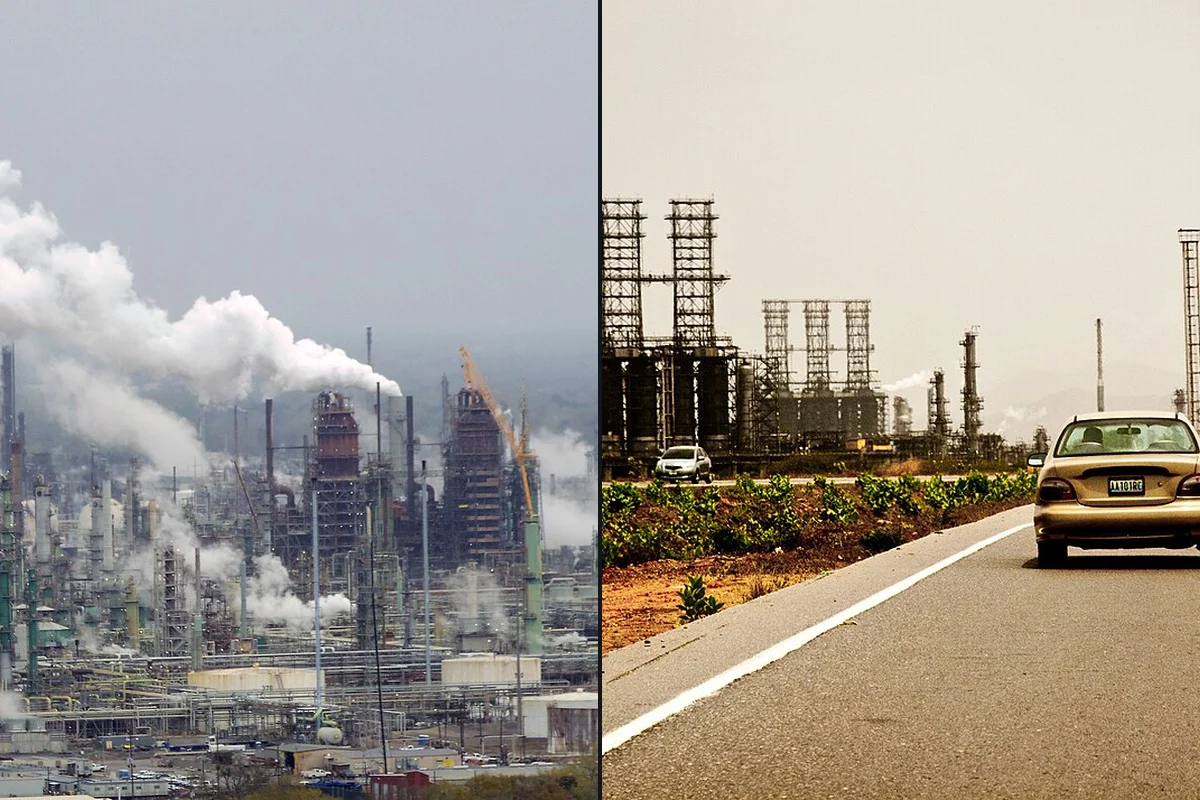
ExxonMobil has taken its first formal step toward re-entering Venezuela’s vast petroleum sector nearly two decades after walking away from state expropriations, signing a preliminary memorandum of understanding with state-owned oil company Petróleos de Venezuela (PDVSA) to evaluate upstream crude exploration and production opportunities.
Executed in Caracas by PDVSA President Héctor Obregón and ExxonMobil Venezuela executive Andrés Acosta — with ExxonMobil Upstream President Dan Ammann, Venezuelan interim President Delcy Rodríguez, and US Chargé d’Affaires John Barrett in attendance — the nonbinding accord opens technical assessments across both aging brownfield oilfields and undeveloped greenfield blocks holding billions of barrels of heavy and extra-heavy reserves.
While stopping well short of a binding capital commitment, the Caracas ceremony marks a dramatic geopolitical turnaround for America’s largest oil major following the January removal of former Venezuelan leader Nicolás Maduro and Washington’s push to steer Western Hemisphere heavy crude back toward US Gulf Coast refineries at a moment of heightened volatility across Middle Eastern oil shipping lanes.
From 2007 nationalization battles to cautious re-engagement
ExxonMobil’s history in Venezuela stretches back to the 1940s, anchored before its departure by a 41.67 percent stake in the massive Cerro Negro heavy-crude upgrader project in the Orinoco Belt — later renamed Petromonagas — and a 50 percent interest in the La Ceiba block in the southern Maracaibo basin.
In 2007, unlike Chevron, which negotiated minority joint-venture stakes to remain on the ground, ExxonMobil refused demands by then-President Hugo Chávez to surrender majority operational control to PDVSA, triggering asset seizures and more than a decade of international arbitration battles.
As recently as January 2026, ExxonMobil Chief Executive Darren Woods publicly described Venezuela as “uninvestable” without fundamental legal and fiscal overhauls, citing the company’s twice-expropriated assets. In its statement confirming this week’s memorandum, the Spring, Texas-based supermajor made clear that technical due diligence will only convert into drilling dollars if Caracas enforces durable legal safeguards.
“This memorandum is a meaningful first step, but any future investment would require stable policies, clear regulations, strong investment protections and competitive returns,” ExxonMobil said, noting that a definitive production-sharing or joint-venture contract would be required before any field operations resume.
Revised hydrocarbons law and a $100 billion reconstruction push
Speaking on state broadcaster VTV alongside Hydrocarbons Minister Paula Henao, Rodríguez hailed ExxonMobil’s return as proof that Venezuela’s revised hydrocarbons framework — under which Caracas says it has signed 61 energy accords and is negotiating 44 more — offers foreign operators enforceable contractual certainty.
“We welcome you back,” Rodríguez said at the signing ceremony, adding that combining international deep-reservoir technology with Venezuela’s Orinoco Belt reserves — the largest accumulation of extra-heavy crude on Earth — would accelerate national economic recovery.
ExxonMobil’s move follows a flurry of American oilfield positioning across Venezuela in recent months: oilfield-services giant Halliburton signed memoranda in September alongside Brazil’s Eneva and Venezuelan partner WESCA, while Chevron is pursuing production expansions at the Ayacucho 8 block south of its Petropiar venture. Energy analysts estimate that restoring Venezuela’s dilapidated pipelines, power grids, diluents, and steam-injection upgraders to peak multi-million-barrel daily output will require roughly $100 billion in sustained multi-year capital investment.