
Commerce Secretary Howard Lutnick stalled Trump's Nvidia China chip crackdown three times before Oval Office clash with Bessent
Commerce Secretary Howard Lutnick repeatedly delayed President Donald Trump's authorizations in May, August and November to curb suspected diversions of Nvidia AI chips to China, sparking a Situation Room confrontation with Treasury Secretary Scott Bessent and an Oval Office phone call with Elon Musk.
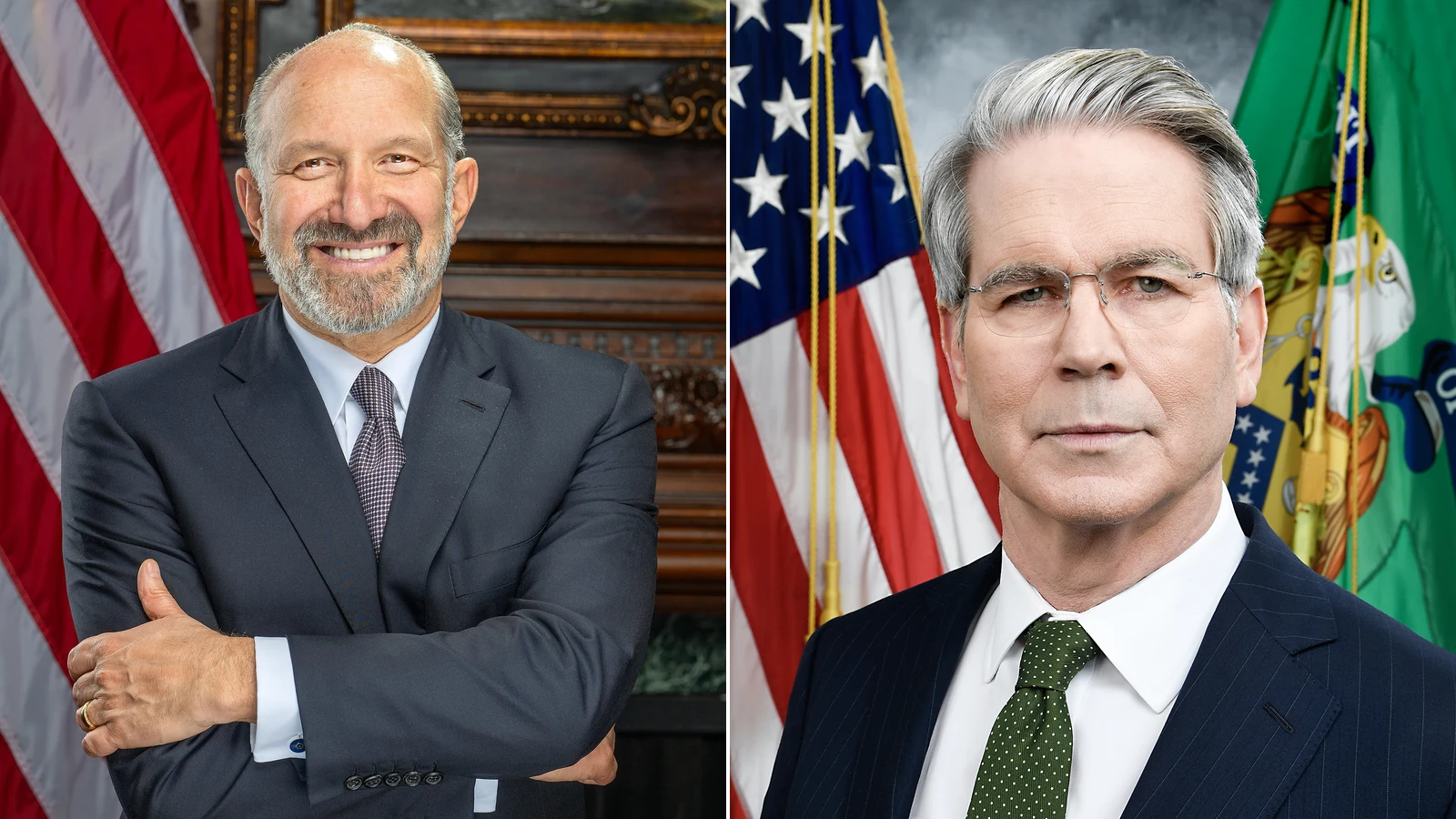
U.S. Commerce Secretary Howard Lutnick has repeatedly delayed implementing President Donald Trump’s orders to crack down on intermediaries suspected of funneling advanced Nvidia artificial-intelligence chips into China — triggering a tense White House Situation Room confrontation with Treasury Secretary Scott Bessent and an Oval Office tiebreaker call to billionaire adviser Elon Musk, according to an Axios investigation corroborated by Reuters reporting.
Citing six senior officials familiar with internal deliberations, Axios reported that Trump signed off on enforcement action against suspected third-party Nvidia chip diversions on at least three separate occasions in 2026 — in May, in August, and again on November 5 — only for Lutnick and Commerce Undersecretary Jeffrey Kessler to slow-walk execution at the Bureau of Industry and Security, which administers U.S. export blacklists.
Commerce records underscore the bottleneck: the department has not posted a single new addition to its trade Entity List since October 2025, marking the longest stretch without new export-blacklist entries in more than a decade and leaving previously flagged Chinese AI developer DeepSeek, memory chipmaker CXMT, and more than 100 other national-security targets off the list.
Bessent confronts Lutnick over Megaspeed in the Situation Room
Simmering Cabinet frustration boiled over during a November 5 Situation Room meeting attended by Lutnick, Bessent, Secretary of State Marco Rubio, Defense Secretary Pete Hegseth, and U.S. Trade Representative Jamieson Greer.
During the session, Bessent directly challenged Lutnick over why the Commerce Department had still not enforced restrictions — particularly against Singapore-based data-center operator Megaspeed, the company at the center of the counterintelligence storm now threatening Jensen Huang’s tenure as Nvidia chief executive. According to officials cited in the report, a highly classified intelligence memo warning about Huang’s relationship with former Megaspeed executive Alice Huang — whom U.S. intelligence suspected of ties to Beijing — had already been circulated to the White House back in May, prompting Bessent, Director of National Intelligence Jay Clayton, and Hegseth to press Commerce to act.
When Lutnick remarked in last week’s Situation Room session that he needed to check again with the president — a move colleagues viewed as another bid to privately talk Trump out of restrictions — the group walked together to the Oval Office around 5 p.m.
Trump calls Elon Musk as Oval Office overrides trade-war warning
Inside the Oval Office, Lutnick warned that blacklisting suspected chip conduits “will start a trade war with China,” echoing arguments long championed by Nvidia that selling slightly throttled U.S. accelerators keeps Chinese developers dependent on American silicon rather than domestic rivals.
Rubio, Bessent, Hegseth, and Greer pushed back that Beijing was already deploying aggressive critical-mineral and technology export curbs against American industry. Trump telephoned Musk during the meeting for an outside technical assessment; Musk backed the national-security hawks’ push to enforce the chip controls, and Trump authorized the crackdown for a third time.
Commerce Department spokesperson Kristen Eichamer denied that Bessent confronted Lutnick and declined further comment on internal deliberations. Even so, bipartisan pressure on Capitol Hill has surged this week following Nvidia’s $600 billion market-value slide and disclosures that military-linked Chinese researchers continued acquiring restricted Nvidia accelerators through third-country channels.