Reuters investigation finds sterile fly shortfall in US screwworm response
A Reuters investigation examines shortages of sterile flies used to contain screwworm. Existing CDC guidance explains precautions and when to seek professional help.
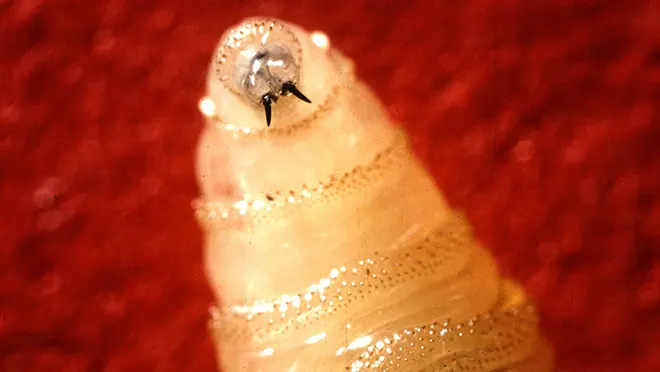
North America’s response to the New World screwworm outbreak remains constrained by a shortage of the sterile flies used to stop the parasite reproducing, a Reuters investigation published Monday found.
The finding concerns the capacity to contain an ongoing animal health threat, not a newly announced outbreak. Reuters traced delays in expanding production through interviews with 15 current and former officials and experts in the United States, Mexico and Panama.
The investigation into the screwworm response reports that facilities in Mexico and Panama together produce about 150 million sterile flies a week. That is below the roughly 500 million weekly benchmark that experts cited by Reuters recommend for maintaining a barrier south of Panama.
The comparison describes the scale of the production challenge. It is not a calculation that the same number of flies would contain every outbreak regardless of its location or conditions.
Why the supply matters
Sterile males mate with wild female flies, preventing their eggs from hatching. Keeping enough sterile flies in the affected areas is therefore central to interrupting reproduction.
The parasite’s larvae feed on living tissue and can seriously injure or kill untreated animals. Its spread threatens livestock, pets and wildlife, while people can also become infested.
Reuters reports that a US production facility under construction in Texas is expected to begin operating in spring 2027. Until then, the response depends on flies produced elsewhere. Funding delays, changes of government and administrative obstacles slowed efforts to increase capacity, officials told the news agency.
The US Department of Agriculture disputed any suggestion that it had failed to act urgently. Spokesperson Nancy McNiff told Reuters the agency had pursued every practical avenue to get more sterile flies into the field quickly.
That response and the production figures describe different parts of the same problem: steps to accelerate supply do not mean the additional capacity is already available.
What people in affected areas should know
The practical advice is not to treat every wound as screwworm. Risk depends in part on being in an area where the flies are present, and suspected infestation requires professional assessment.
In its guidance on New World screwworm, the Centers for Disease Control and Prevention advises keeping open wounds clean and covered, avoiding exposure to flies and using an insect repellent registered by the Environmental Protection Agency.
Anyone who sees or feels maggots in a wound or elsewhere on the body should contact a healthcare provider immediately and explain any recent travel to an affected area. CDC advises against trying to remove the maggots or egg masses without medical help.
For animals, suspicious wounds or larvae need veterinary attention. CDC says veterinarians should report suspected cases promptly to state animal health officials and the USDA’s Animal and Plant Health Inspection Service.
Those precautions are existing health guidance, not new restrictions announced Monday. The new reporting highlights why containment remains difficult while production expands, and why surveillance and prompt treatment still matter alongside the planned factory capacity.