Pete Hegseth condemns House impeachment push as political spectacle in rare Pentagon briefing
Defense Secretary Pete Hegseth stepped to the Pentagon podium Tuesday for his first news conference since May to blast Republican Rep. Thomas Massie's eight article impeachment resolution over the Iran war as a farce and policy dispute ahead of a looming House floor vote.
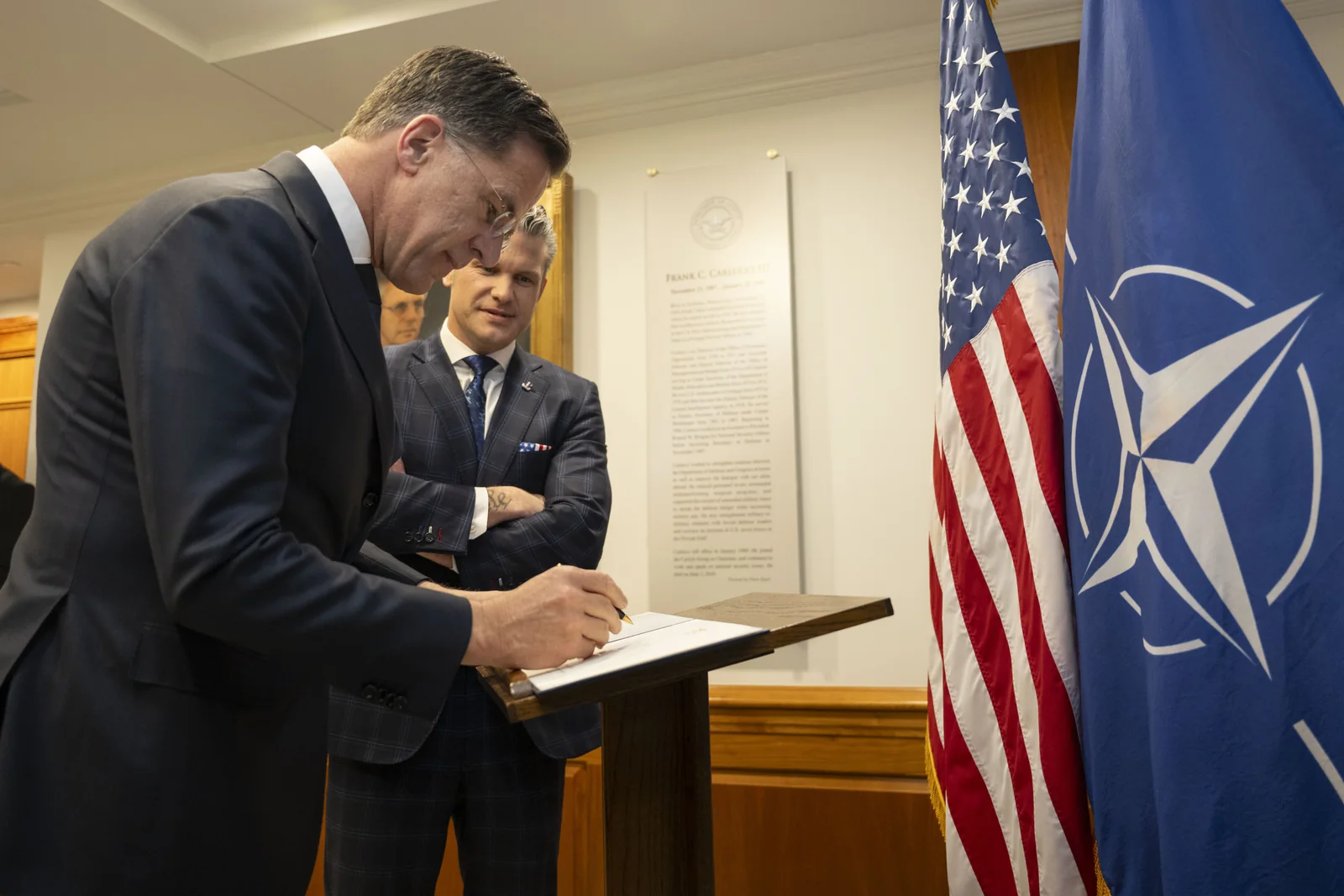
Defense Secretary Pete Hegseth stepped before television cameras at the Pentagon on Tuesday morning for his first departmental news conference since May, defiantly condemning a bipartisan House effort to impeach him as a political spectacle and a personal manifesto driven by ego and resentment. Speaking hours before lawmakers were expected to confront a privileged impeachment resolution on the House floor, Hegseth dismissed all eight charges drafted by Kentucky Republican Rep. Thomas Massie as partisan policy disagreements rather than constitutional high crimes or misdemeanors according to CBS News reporting.
Calling the resolution a farce and a stunt aimed ultimately at wounding President Donald Trump after Republicans suffered sweeping losses in last week’s midterm elections, Hegseth warned that targeting the civilian head of the Pentagon would set a precedent exposing uniformed commanders and junior troops to legal retaliation over operational orders. Within minutes of Hegseth leaving the lectern, Trump applauded his defense chief on Truth Social, awarding Hegseth triple A plus grades while attacking Massie in blistering personal terms.
Tuesday’s extraordinary clash pits an outgoing libertarian leaning Republican congressman against one of the Trump administration’s highest profile Cabinet figures at the start of a volatile lame duck session, testing how many war weary House Republicans are willing to break ranks over the unpopular military conflict with Iran before Democrats assume full control of both chambers in January.
Inside Thomas Massie’s eight impeachment articles against Hegseth
Massie triggered the fast track confrontation on Monday by reading updated privileged articles of impeachment from the House floor just hours after Congress reconvened from the midterm elections, forcing House leaders under chamber rules to act on the measure within two legislative days. Having already lost his Kentucky Republican primary earlier this year to a challenger backed by Trump, Massie is leaving Congress in January and faces zero electoral deterrent from White House pressure.
As detailed by NPR and BBC News, Massie’s resolution lays out eight specific articles accusing Hegseth of abusing executive authority and violating federal law across multiple theaters. Three of the charges center directly on launching and prosecuting offensive military operations against Iran since February without a formal declaration of war or specific statutory authorization from Congress, alongside an additional count accusing the Pentagon chief of disregarding statutory safeguards designed to minimize civilian casualties.
Beyond the Middle East conflict, the resolution charges Hegseth with overseeing extrajudicial lethal strikes against suspected narcotics trafficking vessels in the Caribbean Sea and eastern Pacific Ocean, ordering the capture of Venezuelan President Nicolas Maduro without congressional approval, and unlawfully retaliating against Democratic Sen. Mark Kelly of Arizona. Massie challenged Hegseth on Monday to walk through all eight counts from the podium with legal counsel rather than hiding behind political slogans.
Hegseth countered on Tuesday that none of those operational decisions remotely resemble treason, bribery, or the impeachable offenses envisioned by the Constitution’s framers. Drawing a direct parallel to the two House impeachments and Senate acquittals of Trump during his first presidency, Hegseth declared that if standing alongside the commander in chief placed him in that historical company, he would gladly accept it every day of the week, while noting that House Republicans never impeached Biden era Defense Secretary Lloyd Austin over foreign military deployments.
Narrow House math today versus incoming Democratic majorities in January
How Tuesday evening’s expected floor action unfolds depends heavily on procedural maneuvering by outgoing House Speaker Mike Johnson. Rather than allowing an immediate up or down vote on the underlying impeachment articles, Republican floor managers are expected to offer a motion to table or refer the resolution, giving uneasy GOP lawmakers a procedural off ramp without explicitly endorsing every facet of Hegseth’s Pentagon tenure.
House Minority Leader Hakeem Jeffries of New York, poised to become speaker in January after Democrats flipped dozens of seats last week, declared himself a hard yes on impeaching Hegseth, branding the defense secretary the architect of a reckless and costly war of choice in Iran. If every House Democrat votes against tabling and backs the resolution during the lame duck session, Massie would need only a tiny handful of fellow Republicans, roughly three depending on attendance, to impeach a Cabinet secretary for only the second time since William Belknap in 1876 and following Alejandro Mayorkas in 2024.
Cracks inside the Republican conference are real even if outright defections remain uncertain. While Speaker Johnson warned that impeaching a defense secretary amid active overseas hostilities would project a terrible look as allied capitals simultaneously navigate delicate Eurasian and Middle Eastern cease fire diplomacy, other senior Republicans refused to shut the door automatically. Arkansas Rep. French Hill said over the weekend that he wanted to hear floor debate on whether Hegseth’s record merited impeachment or presidential discipline, while retiring moderate Nebraska Rep. Don Bacon admitted Monday he was wrestling with the vote because he did not believe Hegseth had been a good secretary.
Why Senate conviction remains remote even if impeachment carries
Even if Massie pulls enough lame duck Republican votes this week or incoming House Democrats revive impeachment articles immediately upon taking the gavel in January, removing Hegseth from office requires a two thirds supermajority of 67 votes in the Senate. With Democrats projected to hold roughly 54 to 56 Senate seats next year, convicting Hegseth would still require at least eleven to thirteen Republican senators to break with Trump and oust his chosen Pentagon leader.
That constitutional firewall explains why Hegseth projected combative confidence from the Pentagon briefing room on Tuesday morning while praising Trump’s wartime leadership against Tehran. Still, forcing every House Republican to go on the record over the Iran war and Hegseth’s stewardship barely a week after voters punished the GOP at the ballot box guarantees intense political turbulence across Capitol Hill throughout the lame duck sprint.
How midterm backlash over the Iran war reshaped Republican floor dynamics
Understanding why Massie’s resolution has commanded intense national attention requires looking directly at the electoral shockwave that hit congressional Republicans seven days ago. Across swing suburban districts and manufacturing states alike, exit interviews and Republican strategists pointed repeatedly to voter anger over the prolonged military campaign against Iran and the resulting autumn surge in fuel and household costs, a political drag even Vice President JD Vance and Trump himself have privately or publicly acknowledged in post election assessments.
For incoming committee chairs preparing to take power in January, Tuesday’s floor clash serves as an opening preview of two years of aggressive congressional oversight into Pentagon war powers, target vetting protocols, and Caribbean maritime interdictions. Even if Speaker Johnson marshals enough Republican procedural votes on Tuesday evening to table Massie’s eight articles for now, Hegseth’s combative return to the Pentagon briefing room after a six month absence underscores that the defense secretary will spend the second half of Trump’s term fighting simultaneous battles abroad and on Capitol Hill.