Steve Scalise and Jim Jordan clash for House GOP leader as Senate Republicans debate delaying vote on John Thune
One week after losing both chambers of Congress in sweeping midterm defeats, House Republicans convened Tuesday to choose between Steve Scalise and Jim Jordan to succeed outgoing Speaker Mike Johnson while Senate conservatives pushed to delay John Thune's leadership coronation.
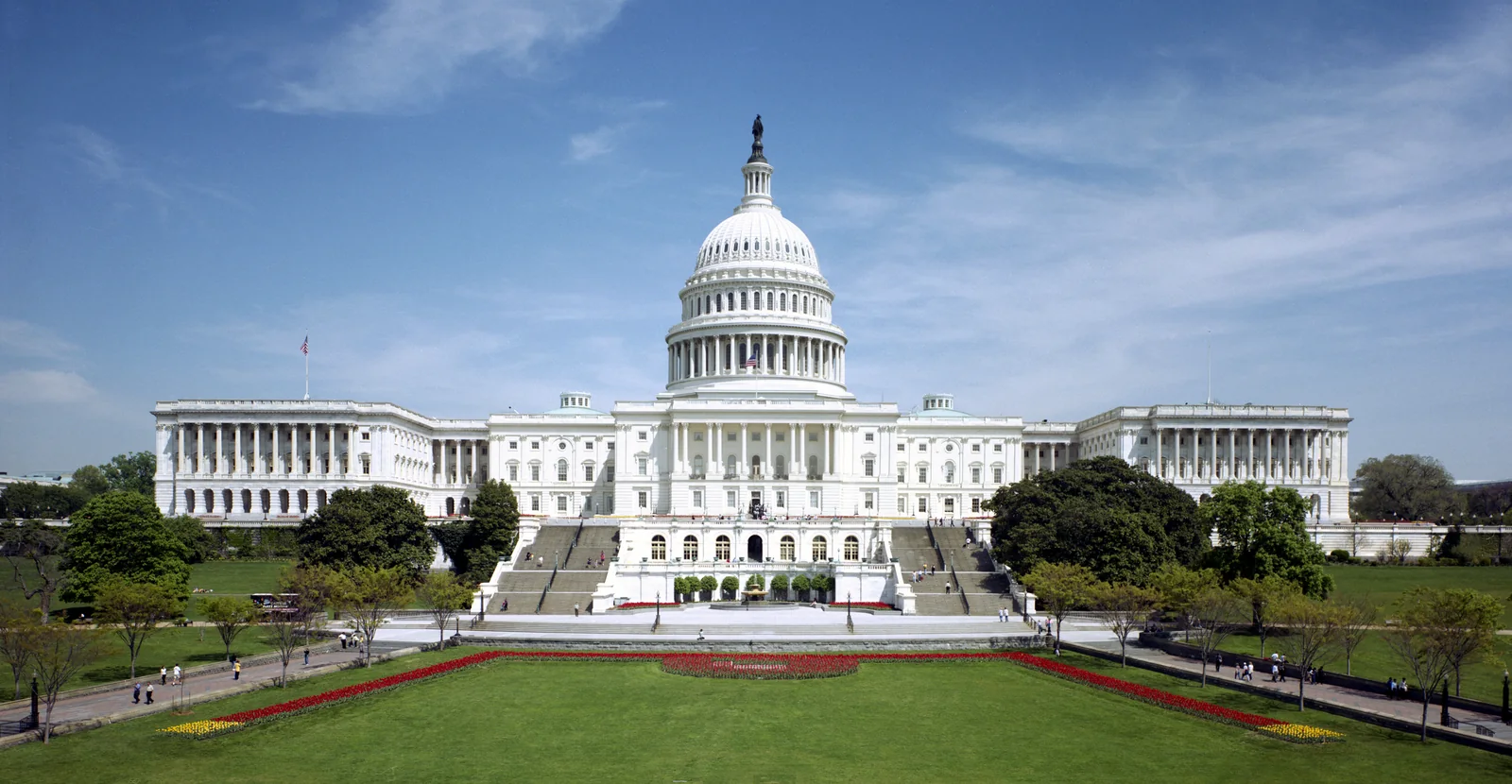
Republicans in both chambers of Congress gathered behind closed doors on Capitol Hill on Tuesday morning to choose the leaders who will guide a battered party into the minority in January, confronting deep internal divisions just seven days after voters handed Democrats decisive control of the House and the Senate. In the House, outgoing Speaker Mike Johnson’s surprise decision to bow out of party leadership triggered a high stakes secret ballot showdown between current Majority Leader Steve Scalise of Louisiana and Judiciary Committee Chairman Jim Jordan of Ohio according to CBS News.
Across the Capitol rotunda, Senate Majority Leader John Thune of South Dakota entered Tuesday morning’s Republican conference session unopposed for the minority leader post, yet faced a vocal push led by Wisconsin Sen. Ron Johnson to postpone leadership voting until shell shocked senators hold a full reckoning over last week’s electoral wipeout.
With Democrats projected to hold at least 256 House seats after flipping more than forty Republican districts alongside at least 54 to 56 Senate seats according to NPR, Tuesday’s leadership contests offer the clearest early verdict on whether congressional Republicans blame incremental governing mechanics or insufficient ideological combat for a defeat that has already reshaped early positioning inside the wider Republican Party.
Scalise fundraising machine versus Jordan oversight combat in House rematch
For veteran House watchers, the duel between Scalise and Jordan revives a bitter three year old rivalry under starkly different political conditions. Following Kevin McCarthy’s historic ouster in autumn 2023, Scalise initially edged Jordan inside the GOP conference room to claim the speaker nomination before withdrawing when hardline holdouts refused to back him on the House floor, and Jordan subsequently fell short across multiple floor ballots before exhausted lawmakers turned to Mike Johnson.
Unlike a floor speakership vote requiring near unanimity across 218 members, winning the minority leader post on Tuesday requires only a simple majority of Republicans casting secret ballots inside the conference room, including newly elected freshmen in town for orientation. As outlined by NPR’s Capitol Hill reporting, the two contenders represent contrasting theories of how a shrunken Republican minority should survive the final two years of Donald Trump’s presidency and fight back in 2028.
Scalise, who has spent more than a decade climbing the institutional leadership ladder, pitched colleagues on organizational discipline and unmatched financial firepower to rebuild the map. Highlighting that he raised 67.9 million dollars during the 2026 cycle and funneled roughly a third of that haul directly into vulnerable incumbent campaigns and the National Republican Congressional Committee, Scalise argued that reclaiming dozens of lost suburban and southern districts demands a prolific national fundraising network. Pennsylvania Rep. Mike Kelly and fellow institutionalists rallied behind Scalise as the steady organizer best suited for trench warfare in the minority.
Jordan, a founding leader of the conservative House Freedom Caucus, countered with a blunt indictment of the outgoing Johnson and Scalise leadership team, accusing existing leaders in a letter to colleagues of operating without a coherent long term plan merely to survive from hour to hour. Warning that incoming Democratic committee chairs are preparing an avalanche of subpoenas and investigations targeting the Trump administration, Jordan cast himself as a battle tested Judiciary chairman who knows the opposition’s oversight playbook intimately and commands unmatched conservative media reach, winning immediate public backing from Freedom Caucus Chairman Andy Harris of Maryland.
Rules frustration and Senate push to slow down John Thune’s vote
Before House ballots were even distributed on Tuesday, senior committee leaders voiced anger that elections were proceeding before the conference fixed internal rules that repeatedly paralyzed Republicans over the past two years. Ways and Means Chairman Jason Smith of Missouri urged a delay on Monday, warning that choosing a leader without first ending rules that allowed individual lawmakers to hold the entire conference hostage did a disservice to whoever wins. Speaker Johnson rejected any postponement, insisting freshman orientation schedules had locked Tuesday’s date in stone months ago.
Parallel tension gripped Senate Republicans as they convened at nine o’clock Tuesday morning. Losing roughly a quarter of their existing conference to midterm defeats and retirements prompted Ron Johnson to circulate a petition demanding a formal vote to delay leadership elections, arguing it was obnoxious to rubber stamp business as usual barely a week after a stunning national rebuke.
Even Ron Johnson conceded, however, that no challenger had stepped forward to oppose Thune, wryly asking reporters who else would even want the job. Backed publicly by colleagues including Utah Sen. John Curtis and North Dakota Sen. Kevin Cramer, Thune told reporters he welcomed an honest, robust airing of grievances inside the room while questioning whether delaying the inevitable settled anything. Whether House Republicans hand the minority gavel to Scalise’s fundraising apparatus or Jordan’s populist megaphone on Tuesday afternoon, both GOP conferences emerge from the midterms facing two grueling years on defense.
Down ballot leadership races and the shadow of 2028 realignment
Beyond the marquee battle between Scalise and Jordan at the top of the House Republican ticket, Tuesday’s secret ballot session is also testing appetite for change across secondary leadership posts, where Conference Chair Lisa McClain and Majority Whip Tom Emmer face scrutiny from rank and file lawmakers led by insurgents and conservative study committee figures such as Texas Rep. August Pfluger who argue the party needs fresh messengers after losing more than forty seats.
Across the aisle, even victorious Democrats are navigating generational and strategic debates of their own as newly elected senators including James Talarico of Texas, Juliana Stratton of Illinois, Annie Andrews of South Carolina, Peggy Flanagan of Minnesota, Josh Turek of Iowa, and Troy Jackson of Maine arrive in Washington alongside private caucus discussions over Senate Democratic Leader Chuck Schumer’s long term succession timeline.
For Republicans, however, the immediate challenge is existential rather than celebratory. Governing alongside a lame duck White House while staring down an emboldened 256 seat Democratic House majority will test every ounce of discipline inside the GOP conference. Choosing between Scalise’s institutional fundraising machinery and Jordan’s confrontational oversight posture defines how congressional Republicans intend to wage that fight from day one.
In the Senate, institutionalists also reminded dissenting conservatives of recent precedent: sixteen Republican senators voted for a similar leadership election delay back in 2022 after disappointing midterms, yet Mitch McConnell easily defeated his challenger hours later. With no declared rival on the ballot against Thune on Tuesday and newly elected senators already moving into temporary Capitol suites, party strategists expect the South Dakota Republican to emerge as minority leader charged with holding together a narrowed caucus across two high pressure years of judicial confirmations, spending deadlines, and early 2028 presidential jockeying.