Russia and Ukraine agree to major prisoner of war exchange as US mediated talks conclude in Abu Dhabi
Russian and Ukrainian negotiators reached an accord for a large humanitarian prisoner of war swap at the close of two days of US brokered talks in Abu Dhabi, marking the first direct breakthrough between Moscow and Kyiv in nine months.
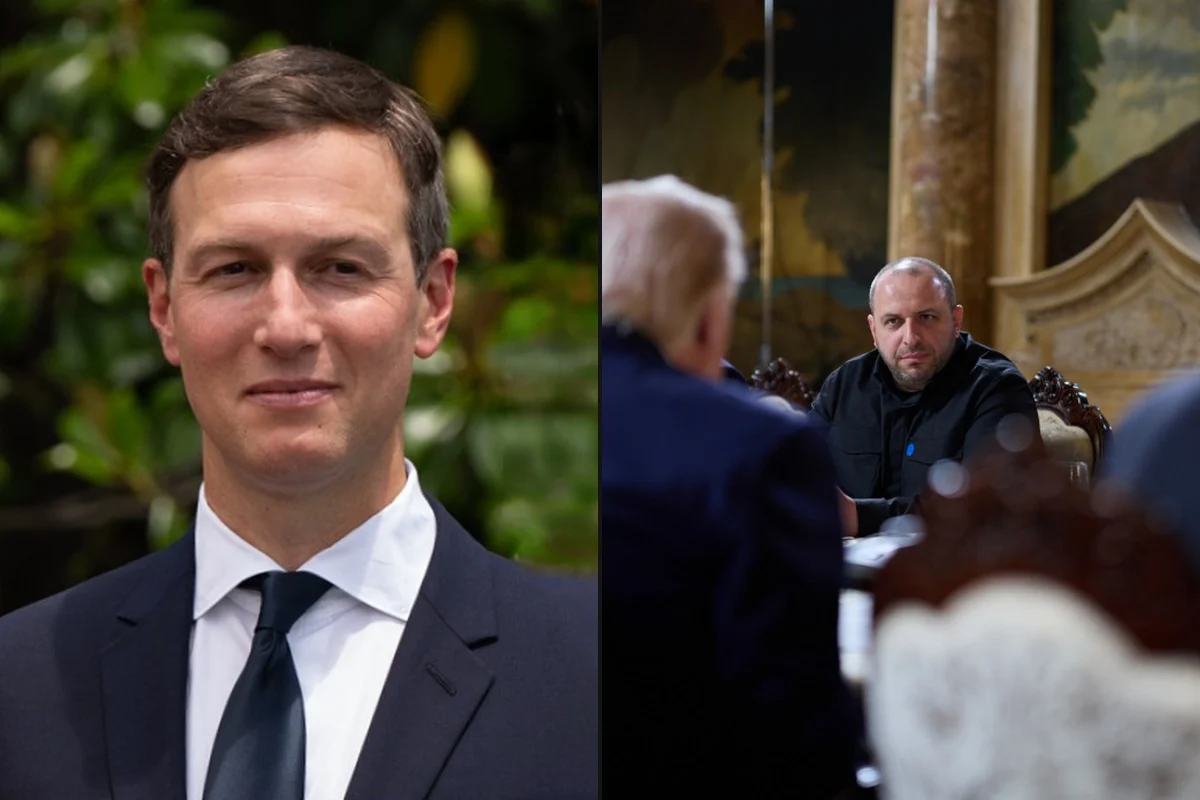
Russian and Ukrainian negotiators agreed on Wednesday to carry out a major humanitarian exchange of prisoners of war at the conclusion of two days of United States-brokered talks in Abu Dhabi, delivering the most tangible diplomatic result from the first direct engagement between the warring sides in nine months.
US presidential adviser Jared Kushner, who mediated the discussions alongside White House special envoy Steve Witkoff in the Emirati capital, announced the humanitarian breakthrough after Wednesday’s closing sessions wrapped up, adding that technical teams from Moscow and Kyiv would finalize the exact roster and headcount over the next 24 hours.
“One of the positives is we agreed that we’re going to have the biggest humanitarian release of prisoners, which we’re going to finalize the numbers tomorrow,” Kushner said following the conclusion of the two-day round. Both Russian delegation chief Vladimir Medinsky and Ukrainian lead negotiator Rustem Umerov, who heads Ukraine’s Foreign Intelligence Service, confirmed the planned prisoner swap.
Humanitarian progress amid entrenched territorial divisions
Expectations for a comprehensive political ceasefire had remained guarded entering the Gulf summit, which opened on Tuesday with four hours of initial talks hosted by United Arab Emirates Foreign Minister Sheikh Abdullah bin Zayed Al Nahyan just days after G7 foreign ministers met in Paris to coordinate allied positions ahead of the Abu Dhabi negotiations.
While periodic prisoner exchanges have served as one of the few functioning channels between Moscow and Kyiv throughout a conflict now approaching its fifth anniversary, a large-scale swap negotiated directly at the political delegation level gives Washington concrete momentum as the Trump administration pushes to establish an ongoing diplomatic track.
Ukrainian President Volodymyr Zelenskyy described the Abu Dhabi dialogue as “constructive and quite substantive,” noting that Kyiv’s envoys prioritized humanitarian dossiers — including the release of captured military personnel, the return of detained Ukrainian civilians, and mechanisms to repatriate children removed from occupied areas — alongside preliminary discussions over long-term western security guarantees modeled on collective defense commitments.
US Secretary of State Marco Rubio likewise characterized the two-day sessions as “very productive,” while cautioning publicly that bridging the core territorial and security divide to end the war altogether will require sustained follow-up rounds rather than a single summit.
European consultations on the sidelines as battlefield strikes continue
Although Moscow objected to direct European participation inside the trilateral negotiating room, officials confirmed that representatives from key European capitals, the European Union, and NATO traveled to Abu Dhabi and held parallel coordination meetings with Umerov’s delegation before and after Wednesday’s sessions. Umerov confirmed on social media Wednesday morning as Day 2 opened that Ukrainian envoys would brief European partners immediately after concluding the US-mediated talks.
Behind closed doors, diplomats acknowledged that Moscow and Kyiv remain far apart on territorial lines in eastern Ukraine, including Donetsk and Luhansk, as well as the size and foreign financing of Ukraine’s post-war armed forces. Neither delegation signaled readiness to concede core sovereignty or security red lines during this week’s opening round.
The urgency of humanitarian and energy-security talks was reinforced overnight on the ground. Hours before negotiators reconvened on Wednesday morning in Abu Dhabi, long-range drone strikes knocked out electrical power, water pumping, and district heating across parts of Kryvyi Rih in central Ukraine, according to local defense council head Oleksandr Vilkul, while Russian regional authorities reported Ukrainian long-range drone activity targeting infrastructure inside Russia.
Economic strain and next steps for the Abu Dhabi channel
Analysts tracking the Gulf diplomacy noted that mounting fiscal and infrastructure pressures on both sides helped bring envoys back to the table after a nine-month hiatus since February. Ukraine faces another winter with battered generation and transmission capacity, while Russia confronts persistent wartime inflation, labor shortages, and sanctions pressure on state revenues.
With working-level military and intelligence officers expected to lock in the final prisoner lists on Thursday, diplomatic attention now turns to whether Washington’s envoy team can convert Wednesday’s humanitarian accord into a scheduled second round of political talks before year-end — and whether future sessions will test narrower confidence-building measures such as mutual moratoriums on energy-grid strikes alongside additional detainee releases.