World leaders address COP31 climate summit in Antalya as Turkey and Australia push 2035 global electrification deal
Presidents and prime ministers from nearly 200 nations opened high level speeches at COP31 in Antalya on Wednesday as Turkish summit president Murat Kurum and Australian negotiations chief Chris Bowen pressed governments to lift electricity to 35 percent of global energy use by 2035.
Heads of state and government from nearly 200 countries began delivering national climate addresses at the COP31 United Nations Climate Change Conference in the Turkish Mediterranean city of Antalya on Wednesday, confronting sharp divisions over fossil fuel phaseout timelines and a flagship host proposal to lift electricity’s share of total global energy consumption to 35 percent by 2035.
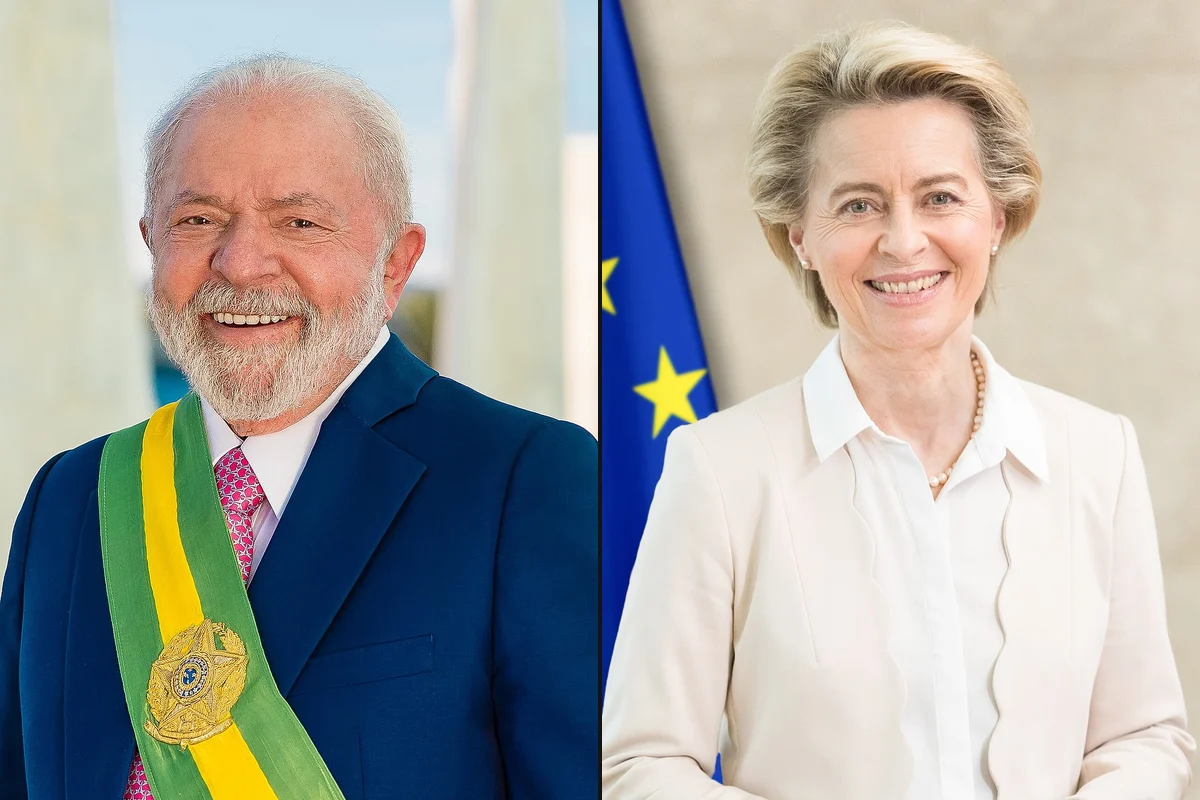
Wednesday’s opening leaders’ plenary featured high-stakes interventions led by recently re-elected Brazilian President Luiz Inácio Lula da Silva, European Commission President Ursula von der Leyen, Chinese Vice Premier Han Zheng, and Marshall Islands President Hilda Heine, with national statements scheduled to run continuously through Thursday evening. The summit unfolds under a unique joint leadership structure arranged after last year’s hosting compromise: Turkey holds the formal COP31 Presidency under Environment Minister Murat Kurum, while Australian Climate Change and Energy Minister Chris Bowen serves as President of Negotiations alongside Pacific Island delegations.
With United Nations assessments warning that global greenhouse gas emissions remain on a trajectory to breach the 1.5-degree Celsius Paris Agreement threshold, negotiators in Antalya are racing to translate past headline pledges into binding grid, finance, and industrial transition benchmarks despite competing geopolitical and fiscal pressures.
Pushing electricity from 23 percent to 35 percent of global energy demand
At the center of the draft Antalya negotiating text is a push backed by Kurum and Bowen to establish a global electrification target raising electricity’s share of final energy consumption from roughly 23 percent today to 35 percent by 2035 across transport, manufacturing, heating, and commercial buildings.
Speaking to reporters in Antalya on Wednesday, Bowen warned that governments must quadruple the current pace of global electrification over the next nine years if the world is to retain any credible path to holding long-term warming near 1.5 degrees Celsius. UN Climate Change Executive Secretary Simon Stiell echoed that call, urging finance ministries and industrial planners to choose accelerated clean electrification over continued macroeconomic exposure to volatile oil and gas import costs.
However, environmental economists and several European and island delegations pointed to a critical gap in the initial Turkish-backed framework: while the draft sets a 35 percent demand-side electrification benchmark, it does not yet mandate that the new power generation supplying those expanded grids come exclusively from renewable or zero-carbon sources. Grid modernization has become a central domestic political issue across major economies as industrial and computing power demand surges — underscored in Washington this week when the US Senate voted 62 to 21 to advance bipartisan energy permitting legislation requiring large AI data centers to fund grid upgrades, even as European semiconductor makers such as Infineon project billions in new power-management chip demand.
Brazil’s fossil fuel roadmap and UN warnings against ‘taboo’ delays
To bridge the divide between electrification targets and fossil fuel supply reductions, Brazil arrived in Antalya — building on its role as host of last year’s COP30 summit — with a formal roadmap detailing how emerging and industrialized economies can sequence a transition away from coal, oil, and natural gas.
UN Secretary-General António Guterres set a blunt tone for the leaders’ summit ahead of Wednesday’s speeches, telling delegates that oil and gas dependence threatens both climate stability and national budgets. “It is long past time to stop treating the transition away from fossil fuels as taboo or intractable,” Guterres told the conference, calling on major emitters to submit concrete, time-bound transition schedules rather than open-ended aspirational language.
Kurum told a COP31 Presidency press conference in Antalya that the summit will convene a special ministerial session on the second Global Stocktake specifically tasked with addressing the risks of a temporary temperature overshoot above 1.5 degrees Celsius and establishing mechanisms to pull global temperatures back down while scaling adaptation funding for cities, agriculture, and coastal zones.
Pacific nations demand faster climate finance and reject relocation
Under the Australia-Turkey hosting arrangement, Pacific Island nations have established a prominent diplomatic hub at the Moana Pavilion inside the Antalya venue, pressing wealthy nations to speed up disbursements from international climate funds. Australian Prime Minister Anthony Albanese — becoming the first Australian leader to attend a UN climate summit in person since 2021 — departed Canberra earlier this week for Antalya ahead of follow-on regional summits in Manila and Shenzhen.
Addressing a High Ambition Coalition briefing in Antalya on Wednesday, Marshall Islands Minister in-Assistance to the President and Environment Minister Jess Gasper Jr. rejected suggestions from some climate modelers that low-lying island states could adapt to a prolonged overshoot above 1.5 degrees Celsius or rely on population relocation.
Gasper told delegates that the 1.5-degree limit represents a matter of national survival rather than an abstract scientific threshold, while ministers from Fiji, Niue, and the Solomon Islands called for streamlined payout rules at the Green Climate Fund, warning that bureaucratic delays are leaving frontline coastal communities exposed to intensifying cyclones, ocean warming, and El Niño-linked water shortages. Whether negotiators in Antalya can pair the 35 percent electrification goal with enforceable clean-power and climate-finance commitments over the coming week will determine whether COP31 delivers a substantive breakthrough.